20 Budget-Friendly Tasks You Should Automate Right Now to Free Up 10+ Hours Weekly

20 Budget-Friendly Tasks You Should Automate Right Now to Free Up 10+ Hours Weekly

If you’re tired of spending your entire week on repetitive tasks that drain your time and energy, automation is your answer. The good news? You don’t need a massive budget to start reclaiming your hours. This list focuses on affordable and often free ways to automate your work and personal life. Whether you’re a freelancer, small business owner, or just someone who wants more time back, these practical automation ideas will help you save money while boosting productivity. Let’s look at which tasks you can hand off to smart tools without breaking the bank.

  1. Hire Affordable Freelancers on LegiitHire Affordable Freelancers on Legiit

    One of the smartest ways to automate repetitive business tasks is to hire skilled freelancers who can handle them for you at a fraction of the cost of full-time employees. Legiit specializes in connecting you with affordable marketing, design, content, and technical professionals who offer fixed-price services. Instead of spending hours every week on social media management, blog writing, or graphic design, you can delegate these tasks to vetted experts. The platform’s transparent pricing means you know exactly what you’ll pay upfront, making it perfect for budget-conscious entrepreneurs who want professional results without the guesswork.

  2. Schedule Social Media Posts in BulkSchedule Social Media Posts in Bulk

    Posting to social media every single day eats up valuable time you could spend on revenue-generating activities. Free tools like Buffer’s basic plan or the free tier of Later let you schedule a week or month of content in one sitting. You can batch-create your posts, queue them up, and let the scheduler handle the rest. This simple change alone can save you five to seven hours per week. Plus, consistent posting without the daily hassle means your audience stays engaged while you focus on what matters most.

  3. Set Up Email Filters and Auto-Responses

    Your email inbox doesn’t have to be a constant source of distraction. Gmail and Outlook both offer free filtering and auto-response features that can sort messages, archive newsletters, and send automatic replies to common questions. Create filters to label and organize emails by project, client, or priority. Set up canned responses for frequently asked questions so you’re not typing the same answer twenty times a week. These built-in tools cost nothing and can cut your email management time in half.

  4. Automate Bill Payments and Bank Transfers

    Late fees and the mental load of remembering payment due dates add unnecessary stress and cost to your life. Most banks and service providers offer free automatic payment options. Set up autopay for your recurring bills like utilities, subscriptions, and loan payments. You can also schedule automatic transfers to your savings account so you’re building your emergency fund without thinking about it. This tiny change prevents late fees, saves you hours of administrative work each month, and ensures your financial obligations are always met on time.

  5. Use Free Project Management Templates

    Tracking projects manually in spreadsheets or notebooks wastes time and creates confusion. Free project management tools like Trello, Asana’s basic plan, or ClickUp’s free tier come with ready-made templates for everything from content calendars to product launches. These templates automate the setup process and give you a clear system for tracking tasks, deadlines, and team collaboration. You’ll spend less time figuring out what needs to happen next and more time actually getting work done.

  6. Automate Invoice Creation and Reminders

    Chasing payments and manually creating invoices is one of the most tedious parts of running a business. Free invoicing tools like Wave or Invoice Ninja let you create professional invoices in minutes, set up automatic payment reminders, and even accept online payments. You can save client information and recurring service details so future invoices generate with just a few clicks. Automated reminders mean you get paid faster without the awkward follow-up emails, saving you both time and money.

  7. Connect Your Apps with Free Automation Tools

    Zapier’s free plan and similar tools like Make (formerly Integromat) let you connect different apps so they talk to each other automatically. For example, you can automatically save email attachments to Google Drive, add new contacts from forms directly to your email list, or post new blog content to social media. While advanced automations require paid plans, the free tiers offer enough connections to handle several time-consuming tasks. This kind of automation can easily save you three to five hours weekly.

  8. Schedule Appointments with Free Booking Tools

    The back-and-forth of scheduling meetings over email is a massive time drain that benefits no one. Free scheduling tools like Calendly’s basic plan or Google Calendar’s appointment slots let clients and colleagues book time with you directly. They can see your availability, pick a slot that works, and automatically receive confirmation and reminder emails. This eliminates the dozen emails it used to take to find a meeting time and makes you look more professional in the process.

  9. Create Email Sequences for Lead Nurturing

    Following up with every lead manually means you’re either spending hours on email or missing out on potential customers. Email marketing platforms like Mailchimp and MailerLite offer free plans that include basic automation sequences. Set up a welcome series for new subscribers or a follow-up sequence for people who download your free resource. Once you create these sequences, they run on autopilot, nurturing leads while you sleep. This turns one hour of setup into ongoing marketing that works around the clock.

  10. Automate Your Grocery Shopping and Meal Planning

    Grocery shopping and meal planning take up more time than most people realize, often three to four hours per week. Services like Walmart+ or Amazon Fresh let you create recurring orders for your staples, and many offer free trials or affordable monthly fees. Apps like Mealime offer free meal planning with automatic grocery list generation. You can also use your grocery store’s app to save your frequent purchases and reorder with a few taps. This frees up weekend hours for activities you actually enjoy.

  11. Set Up Automatic Backup Systems

    Manually backing up your files is easy to forget until disaster strikes. Free cloud storage services like Google Drive, Dropbox’s basic plan, or OneDrive offer automatic sync features that back up your important folders continuously. On Mac, Time Machine is free and automated. On Windows, File History does the same. Set these up once and your files are protected without any ongoing effort. This automation protects your work and eliminates the worry and time spent on manual backups.

  12. Use Text Expanders for Repetitive Typing

    If you find yourself typing the same phrases, email signatures, or responses repeatedly, a text expander can save you hours. Free options like Windows’ built-in AutoCorrect feature or Mac’s Text Replacement let you create shortcuts that expand into full sentences or paragraphs. Type ‘addr’ and it expands to your full mailing address. Type ‘sig’ and your complete email signature appears. This small tool can save you an hour or more each week if you do any significant amount of typing.

  13. Automate Your Expense Tracking

    Manually categorizing expenses for tax time or budget tracking is painful and prone to errors. Free apps like Mint or your bank’s built-in expense categorization can automatically sort your spending into categories. Many credit cards also offer free spending reports. For business expenses, tools like Wave offer free receipt scanning and expense tracking. Instead of spending hours at tax time sorting through receipts, you’ll have organized records ready to go.

  14. Set Up Automatic Document Signing

    Printing, signing, scanning, and emailing documents is a workflow that belongs in the past. Free e-signature tools like the basic version of DocuSign or SignNow let you sign and send documents electronically. Many allow a limited number of free signatures per month, which is enough for most individuals and small businesses. This saves you the time and cost of printing and mailing, speeds up contract turnaround, and keeps your documents organized digitally.

  15. Automate Your Reading List and Research

    Keeping track of articles and research materials across different devices is frustrating. Free tools like Pocket or browser bookmarking with tags let you save content automatically and access it anywhere. RSS readers like Feedly’s free plan aggregate your favorite blogs and news sources in one place so you’re not visiting dozens of websites. Set aside one block of time for reading instead of getting distracted throughout the day. This organizes your information intake and saves scattered minutes that add up to hours.

  16. Use Free Password Managers

    Resetting forgotten passwords and managing dozens of logins manually wastes more time than you’d think. Free password managers like Bitwarden or the basic versions of LastPass store all your passwords securely and auto-fill them when you need to log in. You only need to remember one master password. This saves you time, improves your security, and eliminates the frustration of locked accounts. The few minutes to set it up will save you hours of password-related headaches over time.

  17. Schedule Reports and Dashboard Updates

    Manually pulling data and creating reports every week takes time away from actually using that data to make decisions. Google Sheets, Data Studio (free from Google), and many analytics platforms let you schedule automatic report generation and email delivery. Set up your dashboard once, schedule it to run weekly or monthly, and receive the insights automatically. This turns a two-hour weekly task into a five-minute review session.

  18. Automate Your Job Application Tracking

    If you’re job hunting, keeping track of applications, follow-ups, and interview dates can become a full-time job itself. Free tools like Trello or Notion templates designed for job searches let you automate reminders for follow-ups and organize your pipeline. You can set up automated email alerts when deadlines approach. This keeps your job search organized without the manual spreadsheet updates and ensures you never miss an important follow-up.

  19. Set Up Smart Home Routines

    Small daily tasks like adjusting thermostats, turning off lights, or setting alarms add up to wasted time and energy costs. If you have a smart speaker like Amazon Echo or Google Home, you can create free routines that automate these tasks. Set your lights to turn off automatically at bedtime, adjust the thermostat based on your schedule, or have your coffee maker start when your alarm goes off. These automations save you both time and money on utility bills.

  20. Automate Your Learning and Skill Development

    Keeping up with professional development often falls by the wayside because it feels like another task to manage. Free platforms like YouTube, podcast apps, and library apps like Libby can send you automatic recommendations and notifications based on your interests. Set up a recurring calendar block for learning time and let the content come to you. Many free online course platforms also offer automated email courses that deliver lessons on a schedule. This makes continuous learning happen without the planning overhead.

Automation doesn’t require expensive software or technical expertise. The twenty budget-friendly strategies in this list prove you can reclaim significant time without spending much money at all. Start with just two or three automations that address your biggest time drains, and gradually add more as you see the benefits. The hours you save can go toward growing your business, spending time with family, or simply getting some much-needed rest. Small changes compound quickly, and before long, you’ll wonder how you ever managed without these simple systems working in the background.…

3 Budget-Friendly AI Writing Tools That Won’t Get You Flagged for AI Content

3 Budget-Friendly AI Writing Tools That Won’t Get You Flagged for AI Content

If you’re worried about AI detection tools flagging your content but don’t want to spend a fortune on writing software, you’re in the right place. The good news is that you don’t need expensive subscriptions to produce natural, human-sounding content that passes AI detectors. This list focuses on affordable options that deliver real value without breaking the bank. Whether you’re a freelancer on a tight budget, a small business owner watching expenses, or just someone who wants quality without the premium price tag, these three tools offer practical solutions that balance cost with performance.

  1. Legiit: Affordable Human Writers Who Understand AI DetectionLegiit: Affordable Human Writers Who Understand AI Detection

    When you’re on a budget and need content that absolutely won’t get flagged as AI-generated, hiring actual human writers through Legiit offers remarkable value. The platform connects you with freelance writers at various price points, many of whom specialize in creating content that sounds natural and passes AI detection tests. Unlike monthly software subscriptions that can run hundreds of dollars, you only pay for the content you need when you need it.

    What makes Legiit particularly cost-effective is the competition among writers, which keeps prices reasonable while maintaining quality standards. You can find writers who charge anywhere from a few dollars per hundred words to premium rates, depending on your budget and requirements. Many writers on the platform explicitly advertise their ability to create content that avoids AI detection flags because they’re writing from scratch with human creativity and research.

    The real advantage here is flexibility. If you only need a few blog posts per month, you’re not locked into a recurring subscription for software you might not fully use. You can review writer portfolios, check ratings from previous clients, and choose someone whose style matches your needs. This approach eliminates the guesswork of whether an AI tool will produce content that passes detection, because you’re getting genuinely human-created work.

    For small businesses and solopreneurs watching every dollar, this pay-as-you-go model makes financial sense. You get content that naturally passes AI detectors because it wasn’t written by AI in the first place. The platform also offers buyer protection, so you’re not risking your money on subpar work. When you factor in the time you’d spend editing AI-generated content to make it sound more human, hiring an affordable writer often delivers better ROI than struggling with detection-prone AI tools.

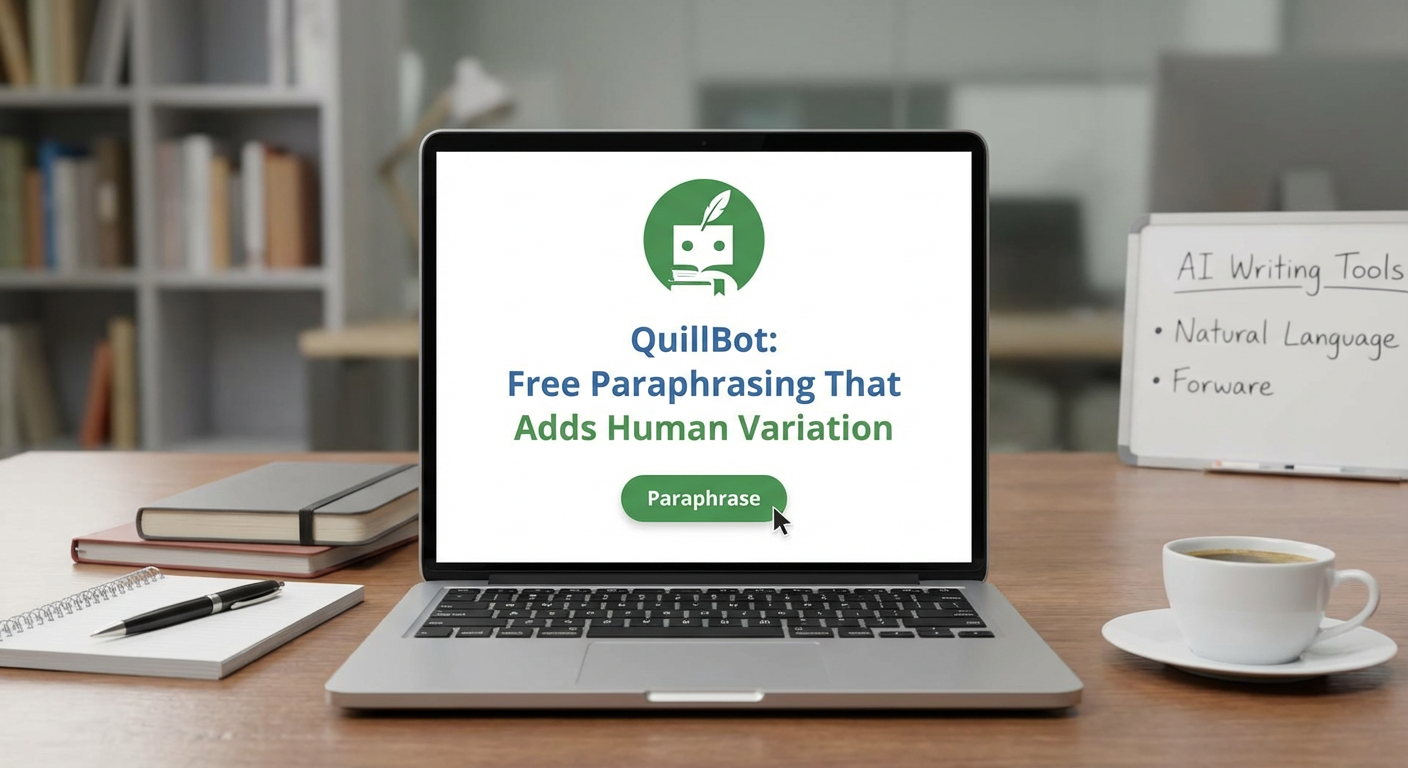
  2. QuillBot: Free Paraphrasing That Adds Human VariationQuillBot: Free Paraphrasing That Adds Human Variation

    QuillBot stands out as one of the most budget-conscious options for writers who want to refine AI-generated content or add variation to their writing without triggering detection algorithms. The free version offers substantial functionality, including paraphrasing capabilities that can help you rework sentences to sound more natural and less formulaic. While it’s technically a paraphrasing tool rather than a pure writing assistant, it serves an important role in making content feel less robotic.

    The key to using QuillBot effectively for avoiding AI detection is treating it as a revision tool rather than a primary content generator. If you’ve drafted something that feels too stiff or predictable, running it through QuillBot with the right settings can introduce sentence variety and word choice changes that make the text feel more human. The free tier allows you to paraphrase up to 125 words at a time, which is enough for most revision work if you’re willing to work in smaller chunks.

    What makes this tool valuable for budget-conscious users is that you can accomplish a lot without ever upgrading to the premium version. The standard and fluency modes in the free tier help you rewrite content in ways that break up the repetitive patterns AI detectors often flag. You’re essentially adding a layer of human-guided revision that distances your final product from typical AI output.

    One practical approach is to write your first draft however you prefer, whether that’s with another AI tool or your own writing, then use QuillBot to vary your sentence structures and word choices. This two-step process creates content that doesn’t read like it came straight from a language model. The tool also includes a grammar checker in the free version, which adds extra value without additional cost. For writers operating on minimal budgets, QuillBot provides a legitimate way to improve content quality and reduce AI detection risks without spending a dime.

  3. Hemingway Editor: Free Clarity Tool That Makes AI Content Sound More Human

    The Hemingway Editor is completely free to use in its web version and serves as an excellent companion for anyone trying to make their content sound less like it was generated by an algorithm. This tool doesn’t generate content for you, but it identifies complex sentences, passive voice, and unnecessarily complicated words that are common hallmarks of AI-written text. By flagging these issues, it guides you toward simpler, more direct writing that sounds authentically human.

    AI-generated content often falls into predictable patterns like overusing passive constructions, creating overly long sentences, and selecting unnecessarily complex vocabulary. These patterns are exactly what AI detection tools look for. Hemingway Editor highlights these problems in color-coded fashion, making it easy to spot where your writing might sound artificial. Sentences marked in yellow or red are good candidates for revision, and the tool suggests simpler alternatives for complicated words.

    The genius of using Hemingway Editor for this purpose is that it pushes you toward the kind of clear, punchy writing that humans naturally produce when they’re focused on communication rather than sounding impressive. AI tools often try to sound sophisticated and end up sounding stilted. Hemingway forces the opposite approach, which ironically makes your content sound more genuine and less likely to trigger detection algorithms.

    For absolute zero cost, you can paste your content into the web editor and work through its suggestions. The tool assigns your text a readability grade level, and keeping your content at a lower grade level typically means it’s more conversational and accessible. This naturally distances it from the formal, sometimes awkward tone that AI content generators often produce. If you do want offline access, the desktop version is available for a one-time purchase that’s far cheaper than ongoing AI tool subscriptions.

    Using Hemingway Editor as part of your revision process adds a human editorial eye that catches the robotic tendencies AI content often displays. You’re essentially training yourself to write in a style that’s clear and direct, which happens to be the opposite of what most AI detection algorithms flag as suspicious. This makes it one of the smartest free investments you can make if you’re concerned about AI detection but can’t afford premium tools.

Avoiding AI content detection doesn’t require expensive software or premium subscriptions. By combining human writers from affordable platforms, free paraphrasing tools that add variation, and clarity editors that eliminate robotic patterns, you can produce natural-sounding content on virtually any budget. The key is understanding that detection-proof content comes from human touches, whether that’s hiring actual people, using tools that encourage simpler writing, or manually revising AI output with purpose. Start with one of these budget-friendly approaches and you’ll quickly find that passing AI detectors is more about strategy than spending power.…

12 Fast Ways AI Can Scale Your Freelance Business Without Hiring a Team

12 Fast Ways AI Can Scale Your Freelance Business Without Hiring a Team

Running a freelance business solo means every hour counts. You need to deliver quality work, handle client communications, manage your finances, and somehow find time to grow your business. The good news is that AI tools can handle many of these tasks in minutes instead of hours, giving you back the time you need to focus on what actually makes you money. This list shows you practical ways to use AI for immediate time savings, so you can scale faster without adding employees or burning out.

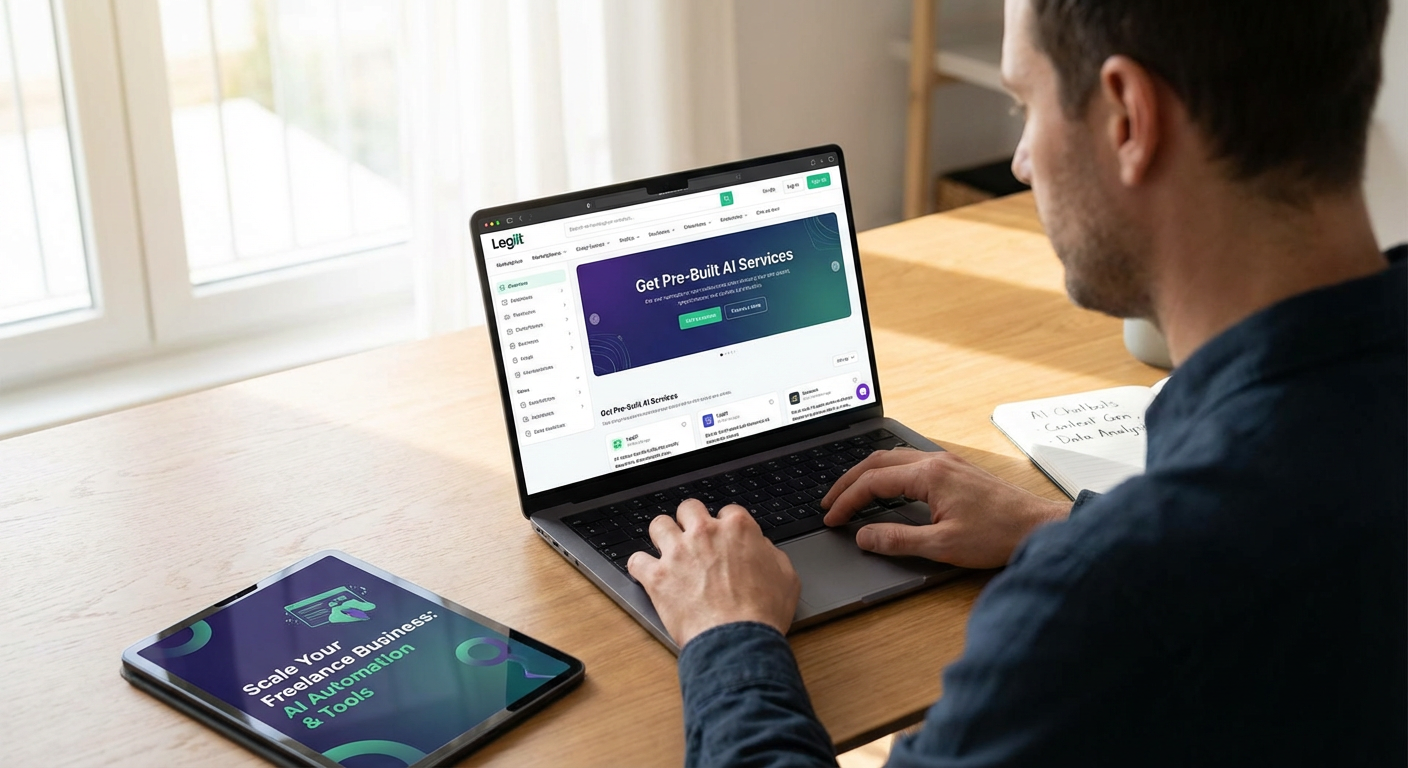
  1. Get Pre-Built AI Services Through LegiitGet Pre-Built AI Services Through Legiit

    Instead of spending weeks learning new AI tools and building your own systems, you can hire AI specialists on Legiit who already know how to implement these solutions. The platform connects freelancers with experts who offer done-for-you AI services, from chatbot setup to content automation workflows. This saves you the learning curve and gets you operational in days instead of months. You pay for the service once and start seeing results immediately, which is much faster than trial-and-error experimentation on your own.

  2. Automate Client Onboarding With AI ChatbotsAutomate Client Onboarding With AI Chatbots

    Setting up a chatbot on your website or booking page can handle initial client questions, collect project details, and even schedule discovery calls without you lifting a finger. Tools like Tidio or ManyChat let you build conversation flows in under an hour. Your chatbot can ask the same qualifying questions you would, gather all the information you need, and send it straight to your inbox or project management system. This means you wake up to organized client information instead of scattered emails, cutting your admin time by hours each week.

  3. Generate First Drafts in Minutes, Not Hours

    AI writing assistants can produce initial drafts of blog posts, proposals, email sequences, and marketing copy in a fraction of the time it takes to write from scratch. You provide the topic and key points, and the AI builds out a complete draft you can edit and refine. This approach lets you complete writing projects two to three times faster than traditional methods. The key is treating AI output as a starting point, not a final product, so you maintain quality while dramatically reducing production time.

  4. Schedule Social Media Posts for Weeks in Advance

    AI tools like Buffer’s AI Assistant or Predis can generate social media content ideas, write captions, and even suggest optimal posting times based on your audience data. You can batch-create a month’s worth of posts in a single afternoon and schedule everything to go out automatically. This keeps your business visible and attracting clients even when you’re focused on delivery work. Instead of scrambling daily for content ideas, you spend two hours once a month and forget about it.

  5. Transcribe and Summarize Client Meetings Automatically

    Recording your client calls and running them through AI transcription tools like Otter or Fireflies gives you accurate notes without manual typing. These tools also generate summaries highlighting action items, decisions, and key discussion points. You can review a 60-minute meeting in under five minutes by reading the summary instead of listening to the entire recording again. This speeds up your follow-up process and ensures nothing falls through the cracks, all while saving hours of note-taking and review time each week.

  6. Create Professional Graphics in Under 10 Minutes

    AI design tools like Canva’s Magic Design or Designs.ai can produce social media graphics, presentation slides, and marketing materials based on simple text prompts. You describe what you need, pick from AI-generated options, and make quick tweaks to match your brand. What used to require hiring a designer or spending an hour in Photoshop now takes less time than making coffee. This speed means you can respond to client requests faster and create more marketing materials without expanding your workload.

  7. Respond to Routine Emails With AI-Powered Templates

    Email AI tools can suggest responses based on the content of incoming messages, turning a blank reply box into a complete draft with one click. Tools like Gmail’s Smart Compose or dedicated apps like Flowrite learn your writing style and generate appropriate responses to common questions. You review, adjust if needed, and send in seconds. For the repetitive emails that fill your inbox, this can cut your email time in half while maintaining a professional, personalized tone.

  8. Automate Invoice Creation and Payment Reminders

    AI-enhanced accounting tools like QuickBooks or FreshBooks can generate invoices automatically based on project completion triggers, send them to clients, and follow up with payment reminders on a schedule you set. You spend five minutes setting up the automation and then never think about invoicing again. The system tracks who has paid and who hasn’t, sends polite reminders at appropriate intervals, and keeps your cash flow steady without manual tracking. This eliminates hours of administrative work each month and gets you paid faster.

  9. Edit Videos Without Learning Complex Software

    AI video editing tools like Descript or Runway let you edit videos by editing text, automatically remove filler words, add captions, and even generate B-roll footage. You can turn a 30-minute raw recording into a polished five-minute video in under 20 minutes. This makes video content accessible for freelancers who don’t have time to master traditional editing software. Since video is one of the most effective marketing formats, this speed advantage helps you compete with bigger businesses that have dedicated video teams.

  10. Research Competitors and Market Trends in Minutes

    AI research tools can scan competitor websites, analyze pricing strategies, summarize industry reports, and identify trending topics in your niche faster than manual research. Tools like ChatGPT can digest long articles and give you the key points, while specialized tools like Crayon track competitor changes automatically. What used to require hours of reading and note-taking now takes a quick prompt and a few minutes of review. This keeps you informed and competitive without sacrificing billable hours to research.

  11. Generate Proposals That Win More Work, Faster

    AI can help you create customized proposals by pulling from your past successful projects and adapting them to new client needs. You provide the project requirements, and AI drafts sections covering your approach, timeline, and deliverables based on similar work you’ve done. This reduces proposal writing time from several hours to 30 minutes or less. Faster proposal turnaround means you can bid on more projects and respond while you’re still top of mind for the client, increasing your win rate without working longer hours.

  12. Analyze Performance Data and Get Actionable Insights

    Instead of manually reviewing analytics from multiple platforms and trying to spot patterns, AI tools can analyze your website traffic, email open rates, and social media engagement to identify what’s working and what isn’t. Many analytics platforms now include AI features that highlight significant changes and suggest specific actions to improve results. You get clear recommendations in minutes instead of spending hours staring at dashboards trying to make sense of the numbers. This faster feedback loop means you can adjust your strategy quickly and stop wasting time on tactics that don’t work.

The freelancers who scale successfully are the ones who work smarter, not just harder. AI gives you the ability to complete tasks in minutes that used to take hours, freeing up time to take on more clients or finally build that passive income stream you’ve been putting off. Start with one or two tools from this list that address your biggest time drains, get comfortable with them, and then add more as you go. The time you save compounds quickly, and before long, you’ll be operating at a level that looks like you have a full team behind you when it’s still just you and some smart automation.…

Budget-Friendly Unconventional Ways Freelancers Are Making $10K/Month

Budget-Friendly Unconventional Ways Freelancers Are Making $10K/Month

Hitting five figures a month as a freelancer doesn’t require a massive upfront investment or expensive tools. While many assume you need premium software subscriptions, paid advertising budgets, or costly training programs to reach $10,000 monthly, the reality is quite different. This list focuses on unconventional income strategies that prioritize low costs and high returns. If you’re price-conscious and want to build a profitable freelance business without breaking the bank, these approaches will show you exactly how to get there.

  1. Sell Ready-Made Services on LegiitSell Ready-Made Services on Legiit

    Legiit offers freelancers a platform to sell pre-packaged services without the overhead costs of building your own website or running paid ads. Instead of pitching clients one by one, you create service listings that customers can purchase directly. The platform handles payment processing and provides built-in traffic from buyers actively searching for services.

    What makes this particularly budget-friendly is the low barrier to entry. You can start with free listings and only pay a commission when you make a sale, which means zero upfront costs. Many freelancers bundle their expertise into fixed-price packages like content writing bundles, website audits, or social media management starter packs. This model lets you scale income predictably since you know exactly what you’ll earn per sale and can calculate how many sales you need to hit $10,000 monthly.

  2. Flip Free Government Data Into Premium ReportsFlip Free Government Data Into Premium Reports

    Government agencies release massive amounts of valuable data for free, from census information to industry reports and economic forecasts. Smart freelancers are downloading this public data, analyzing it for specific industries, and repackaging it into focused reports that businesses will pay hundreds or thousands of dollars for.

    The beauty of this approach is that your raw material costs nothing. A freelancer might take housing market data, combine it with local economic indicators, and create a quarterly real estate investment report for property investors. Another might analyze FDA approval data to create pharmaceutical pipeline reports for healthcare investors. The key is finding data that’s freely available but time-consuming to interpret, then doing that interpretation work for clients who value their time more than the report cost. With minimal expenses beyond your time, profit margins stay exceptionally high.

  3. Offer Async Video Consulting Through Free Tools

    Traditional consulting often requires scheduling calls, which limits how many clients you can serve. Asynchronous video consulting flips this model by having clients submit questions via form, then you record personalized video responses using free tools like Loom or OBS Studio.

    This method requires virtually no investment since recording and sharing tools are free. A business strategist might charge $200 for a 15-minute personalized video analysis of a client’s business challenge. A fitness coach could offer form checks where clients submit workout videos and receive detailed feedback videos in return. You can serve clients across time zones without scheduling headaches, and because you’re selling your expertise rather than your real-time availability, you can batch-record responses during your most productive hours. Some freelancers are handling 50+ clients monthly this way, each paying $150 to $300 for video consultations that take 10 to 20 minutes to produce.

  4. Create Niche Swipe Files and Charge Access Fees

    A swipe file is a curated collection of examples in a specific category. Freelancers are building these collections in narrow niches and charging monthly or one-time access fees. The initial investment is mostly time spent collecting and organizing examples that already exist publicly.

    For instance, a copywriter might compile 500 high-converting email subject lines from successful e-commerce brands, organize them by category and conversion goal, then charge marketers $47 for lifetime access. A designer could create a swipe file of 300 landing page designs from SaaS companies, categorized by industry and conversion element. The content already exists online, but the value lies in curation, organization, and saving clients dozens of research hours. Once created, swipe files require minimal maintenance but can sell repeatedly. Freelancers running multiple niche swipe files often see $8,000 to $15,000 monthly from this largely passive income stream, with hosting costs under $20 monthly.

  5. Become a Notion Template Reseller

    Notion templates have exploded in popularity, and freelancers are earning serious income by creating and selling them. The platform itself is free, and you can build complex templates without any coding knowledge or design software purchases.

    Successful template creators identify specific pain points in business workflows and build solutions. A project manager might create a client onboarding template system that agencies can duplicate and customize, selling it for $79. A content creator could build a complete content calendar system with integrated task management for $49. The profit margins are nearly 100% since Notion is free and distribution platforms like Gumroad charge only a small percentage per sale. Some template creators generate $12,000 to $20,000 monthly by building a portfolio of 10 to 15 templates that each sell consistently. The key is solving very specific problems for defined audiences rather than creating generic productivity templates.

  6. Run Cold Email Campaigns Using Free Tier Tools

    While many freelancers avoid outbound marketing thinking it requires expensive tools, you can run effective cold email campaigns using free email accounts and manual research. This approach trades money for time, making it perfect for budget-conscious freelancers.

    The strategy involves identifying your ideal clients, finding their contact information through free tools like LinkedIn and company websites, then sending personalized outreach emails. A web developer might target local restaurants without online ordering systems, offering a specific solution. A bookkeeper could reach out to new LLCs registered in their state, which is public information. The investment is zero beyond your internet connection and the hours spent researching and writing emails. Freelancers using this method report closing one to three clients monthly from 100 to 150 personalized emails, with each client worth $2,000 to $5,000 in project value. That’s potentially $10,000+ monthly without spending a dollar on tools or advertising.

  7. Offer Done-For-You Podcast Editing Packages

    Podcasting continues growing, but most podcasters hate the editing process. Freelancers are capitalizing on this by offering complete podcast editing packages using free software like Audacity or open-source tools, keeping overhead costs minimal.

    The service typically includes removing filler words, balancing audio levels, adding intro and outro music, and exporting in multiple formats. Podcasters will pay $75 to $200 per episode for this service, and an experienced editor can process a one-hour episode in 90 minutes to two hours once they’ve developed efficient workflows. By taking on 10 to 15 podcasts with weekly episodes, you can easily clear $10,000 monthly. The initial learning curve exists, but countless free YouTube tutorials teach professional editing techniques. Some editors expand into show notes writing and audiogram creation using free tools like Canva, adding extra revenue per client without adding software costs.

  8. Curate and Resell PLR Content Bundles

    Private Label Rights content allows you to purchase articles, ebooks, and courses that you can rebrand and resell as your own. Smart freelancers buy bulk PLR content at low prices, curate the best pieces around specific themes, improve the quality, then resell these bundles at much higher prices.

    You might spend $50 on a PLR pack containing 100 articles about personal finance. After reading through, you select the 25 best articles, edit them for clarity and accuracy, organize them into a cohesive guide about retirement planning for millennials, design a simple cover using Canva’s free version, then sell this curated guide for $27. Since PLR allows unlimited resales, you can sell the same bundle repeatedly. The profit margin after the initial purchase and editing time is substantial. Freelancers operating in multiple niches with different curated bundles report $6,000 to $12,000 monthly, with content acquisition costs typically under $300 monthly. The value you add through curation, editing, and packaging justifies the higher price point.

Reaching $10,000 monthly as a freelancer is absolutely achievable without draining your savings on tools, courses, or advertising. These unconventional methods prove that creativity and strategic thinking matter more than budget size. Whether you’re repackaging free data, offering services on established platforms, or creating digital products with free tools, the path to five figures focuses on delivering value rather than spending money. Start with one approach that matches your skills and available time, keep your costs low, and reinvest profits as you grow. The freelancers making serious money aren’t necessarily the ones with the biggest budgets, but rather those who see opportunities others miss and execute consistently.…

15 Beginner-Friendly Services Every E-commerce Brand Desperately Needs Right Now

15 Beginner-Friendly Services Every E-commerce Brand Desperately Needs Right Now

Starting an e-commerce business can feel overwhelming when you’re staring at a mountain of tasks and wondering where to begin. The good news? You don’t need to figure everything out alone. Smart service providers exist to handle the technical stuff, the creative work, and the day-to-day operations that eat up your time. This guide focuses on simple, approachable services that won’t require a steep learning curve or a tech degree to implement. Whether you’re launching your first online store or trying to streamline an existing one, these 15 services will help you build a solid foundation without the confusion.

  1. Legiit for Freelance Marketing and Tech HelpLegiit for Freelance Marketing and Tech Help

    When you’re new to e-commerce, you need reliable help without spending weeks searching for the right person. Legiit connects you with vetted freelancers who specialize in everything from logo design to product descriptions to website setup. The platform is straightforward to use, with clear pricing and service descriptions that make sense even if you’re not familiar with marketing jargon. You can browse services by category, read reviews from other business owners, and hire someone in minutes. For beginners who don’t have time to post job listings and sort through dozens of proposals, Legiit offers a faster, more direct path to getting things done. Many service providers on the platform also offer package deals that bundle related tasks together, which helps you avoid the hassle of coordinating multiple freelancers.

  2. Shopify for Store Setup and ManagementShopify for Store Setup and Management

    Building an online store from scratch sounds intimidating, but Shopify makes it surprisingly simple. The platform walks you through every step with guided setup wizards and pre-built templates that look professional right out of the box. You don’t need to know how to code or understand web hosting. Everything happens in one dashboard where you can add products, process orders, and track inventory. The mobile app lets you manage your store from your phone, which is perfect when you’re juggling multiple responsibilities. Shopify also includes built-in payment processing, so you don’t have to research and integrate third-party payment gateways on your own.

  3. Canva for Product Images and Social Media Graphics

    Professional design work used to require expensive software and years of training. Canva changed that by offering drag-and-drop design tools that anyone can learn in an afternoon. You can create product photos with branded backgrounds, design Instagram posts that match your store’s style, and build email headers without hiring a graphic designer for every small task. The platform includes thousands of templates specifically made for e-commerce brands, so you’re never starting from a blank canvas. The free version gives you plenty of options, and the paid version unlocks additional features as your needs grow.

  4. Mailchimp for Email Marketing That Makes Sense

    Email marketing platforms often come with complicated automation builders and confusing analytics dashboards. Mailchimp stands out for beginners because it explains things in plain language and offers simple templates for common email types like welcome series, abandoned cart reminders, and product announcements. You can start with basic campaigns and gradually add more sophisticated features as you learn what works for your audience. The free tier supports up to a certain number of contacts, which gives you room to experiment before committing to a paid plan. Mailchimp also integrates directly with most e-commerce platforms, so your customer data syncs automatically without manual importing.

  5. Google Workspace for Professional Communication

    Using a Gmail address with your personal name doesn’t inspire confidence when customers contact your store. Google Workspace gives you professional email addresses using your domain name, plus cloud storage, shared calendars, and document collaboration tools. The interface is identical to the free Gmail you already know, so there’s no learning curve. You can set up email forwarding, create addresses for different departments, and access everything from any device. For a small monthly fee per user, you get a complete business communication system that grows with you.

  6. ShipStation for Simplified Shipping

    Figuring out shipping rates, printing labels, and tracking packages becomes a full-time job as your order volume increases. ShipStation connects to your store and consolidates all your shipping tasks in one place. You can compare rates from different carriers, print labels in batches, and automatically send tracking information to customers. The setup process is straightforward, with clear instructions for linking your e-commerce platform and preferred shipping carriers. Many beginners appreciate the ability to create shipping presets for common package sizes and destinations, which eliminates repetitive data entry.

  7. Zendesk for Customer Support Without the Chaos

    When customer questions start arriving through email, social media, and your website contact form, keeping track becomes impossible. Zendesk gathers all these messages into one organized inbox where you can respond, assign tickets to team members, and track which issues are resolved. The system includes pre-written response templates for common questions, which saves time and ensures consistent communication. You can start with the basic plan and add features like live chat or phone support as your business grows. The mobile app means you can answer urgent questions even when you’re away from your desk.

  8. QuickBooks Online for Stress-Free Bookkeeping

    Accounting intimidates most new business owners, but QuickBooks Online simplifies the process with guided setup and automatic categorization of expenses. You can connect your bank accounts and credit cards so transactions import automatically, reducing manual data entry and the mistakes that come with it. The software generates profit and loss statements, tracks what you owe in taxes, and creates invoices for wholesale customers. When tax season arrives, you can share access with your accountant instead of scrambling to gather receipts and spreadsheets. The dashboard uses plain language and visual charts instead of confusing accounting terminology.

  9. Hootsuite for Managing Social Media Posts

    Posting consistently on Instagram, Facebook, and other platforms while running a business feels impossible. Hootsuite lets you write and schedule posts in advance from one calendar view, so you can batch-create content during a focused session instead of scrambling daily. You can see how all your posts will look before they go live, rearrange them with drag-and-drop, and respond to comments without switching between apps. The interface is clean and intuitive, avoiding the overwhelming feature lists that plague some social media tools. Basic plans support a few social accounts, which is perfect when you’re starting out.

  10. Trustpilot for Building Customer Reviews

    New e-commerce stores struggle with credibility because shoppers don’t trust brands without reviews. Trustpilot provides a simple system for collecting and displaying customer feedback that potential buyers actually trust. After someone makes a purchase, the platform automatically sends a review request email, so you don’t have to remember to ask. The reviews appear on your website through an easy-to-install widget and on Trustpilot’s own site, where millions of shoppers research brands. The service includes tools to respond to reviews publicly, which shows potential customers that you care about feedback.

  11. Google Analytics for Understanding Your Visitors

    Knowing how people find and use your website is critical, but most analytics platforms overwhelm beginners with technical reports. Google Analytics offers a free solution with enough depth to answer important questions without requiring a data science background. You can see which products get the most views, where your traffic comes from, and which marketing efforts actually drive sales. The platform includes pre-built reports for e-commerce stores, so you don’t have to build custom dashboards from scratch. YouTube has thousands of beginner-friendly tutorials that explain how to use specific features, making self-education straightforward.

  12. LastPass for Secure Password Management

    Running an online business means juggling passwords for your store, email, social media, suppliers, and dozens of other services. Writing them down or reusing the same password everywhere creates security risks. LastPass stores all your passwords in one encrypted vault that you access with a single master password. The browser extension automatically fills in login forms, and you can securely share access with team members without revealing the actual passwords. The basic version is free and includes most features small businesses need. Setup takes about 15 minutes, and the time you save not resetting forgotten passwords pays off immediately.

  13. Printful for Print-on-Demand Products

    Holding inventory means upfront costs, storage space, and the risk of products that don’t sell. Printful eliminates these concerns by printing and shipping products only after customers order them. You upload your designs, choose which products to offer, and Printful handles manufacturing and fulfillment. The integration with major e-commerce platforms is straightforward, and the mockup generator creates realistic product photos without you owning samples. This model lets beginners test product ideas without financial risk. The per-item costs are higher than bulk manufacturing, but you avoid the cash flow problems that sink many new stores.

  14. Grammarly for Professional Product Descriptions

    Typos and grammar mistakes make your store look unprofessional, but hiring an editor for every product description isn’t realistic when you’re starting out. Grammarly checks your writing as you type, catching errors in your product pages, emails, and social media posts. The tool works inside your browser, so it checks text wherever you write online. Beyond basic spelling, it suggests improvements for clarity and tone, helping you communicate more effectively with customers. The free version handles most needs, while the premium version adds style suggestions and plagiarism detection. Installation takes one click, and it starts working immediately.

  15. Calendly for Easy Appointment Scheduling

    If your business involves consultations, virtual shopping appointments, or supplier meetings, the back-and-forth of finding available times wastes hours each week. Calendly shows your availability and lets people book time slots that work for both of you. The system connects to your calendar, blocks off busy times automatically, and sends confirmation emails with video call links if needed. You can set different appointment types with specific durations and buffer times between meetings. The free plan supports basic scheduling, and the simple interface means clients can book appointments without confusion or technical help.

Building a successful e-commerce business doesn’t require mastering complex systems or hiring a large team right away. These 15 beginner-friendly services handle the essential tasks that keep online stores running smoothly, from processing orders to communicating with customers to managing your money. Start with the services that address your most pressing needs, then add others as your business grows and your confidence increases. Most of these platforms offer free trials or entry-level plans, so you can test them without major commitments. Focus on learning one or two tools at a time rather than trying to implement everything at once. With the right services supporting you, running an e-commerce brand becomes less about technical skills and more about connecting with customers and building something you’re proud of.…

AI Tools for Freelancers Compared: 15 Options Reviewed for Staying Competitive

AI Tools for Freelancers Compared: 15 Options Reviewed for Staying Competitive

Freelancers face tough choices when picking AI tools. Every option promises to save time and boost productivity, but each comes with trade-offs in cost, learning curve, and features. This list breaks down 15 AI tools with honest assessments of their strengths and weaknesses. You’ll see how they stack up against each other so you can make informed decisions based on your specific needs and budget.

  1. LegiitLegiit

    Legiit stands out as a freelance marketplace that connects you with done-for-you services, including AI-powered solutions. The main advantage is access to vetted professionals who can handle AI implementation for you, saving the learning curve. The platform offers fixed-price services, which means predictable costs compared to subscription models that charge monthly regardless of usage.

    The trade-off is that you’re paying for human expertise rather than direct software access. This works well if you need custom AI solutions or lack time to learn new tools yourself. Compared to DIY AI platforms, Legiit costs more per task but delivers finished work. The quality depends on the seller you choose, so reviewing ratings and portfolios is essential. For freelancers who want results without becoming AI experts themselves, this marketplace approach offers a practical middle ground.

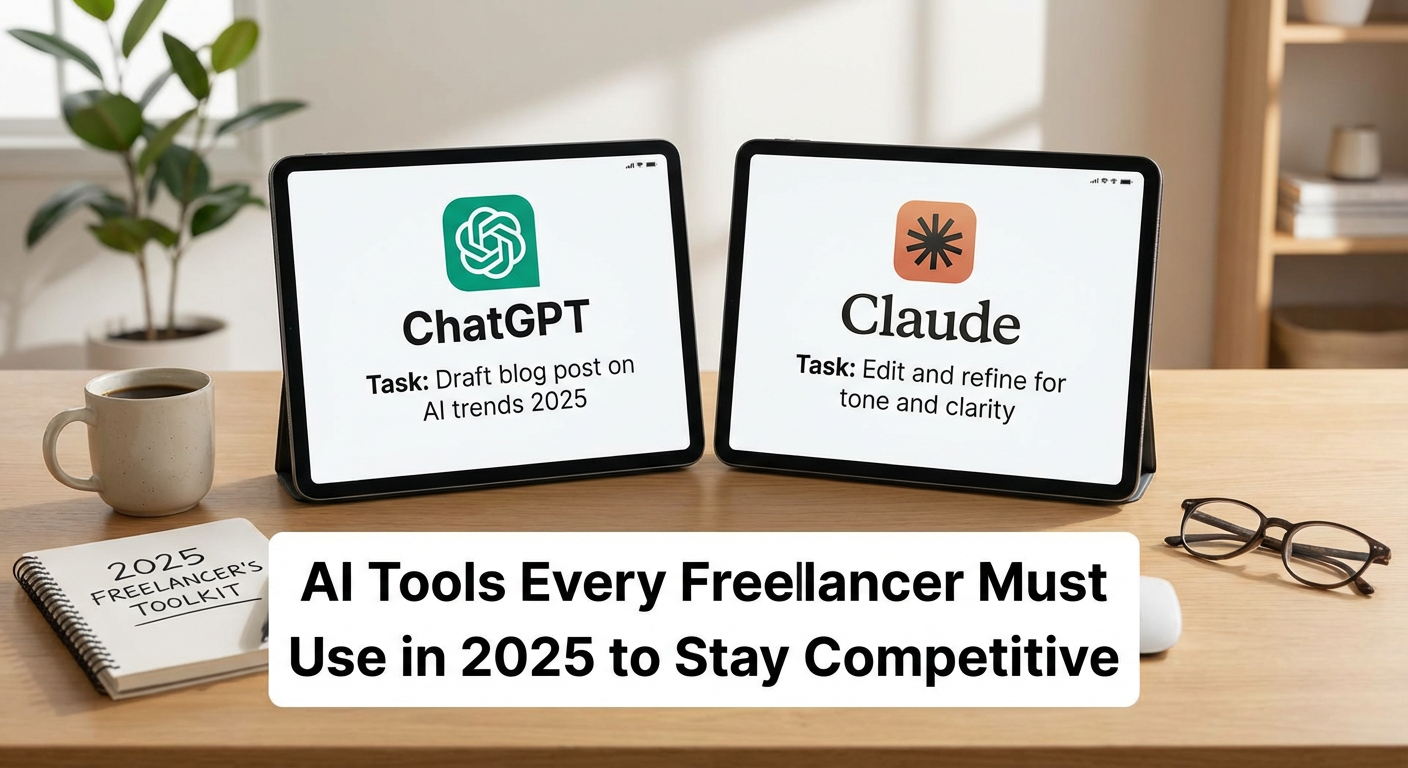
  2. ChatGPT versus Claude for Writing TasksChatGPT versus Claude for Writing Tasks

    ChatGPT excels at generating creative content and brainstorming ideas with a conversational flow. It handles a wide range of topics and maintains context well across longer conversations. The free tier gives you solid performance, while the paid version offers faster responses and access during peak times.

    Claude, on the other hand, tends to produce more structured and cautious outputs. It’s better at following specific instructions and maintaining consistency in tone. Writers who need precise control often prefer Claude’s approach. The main drawback is availability, as Claude has been more limited in access compared to ChatGPT’s widespread reach. For quick drafts and idea generation, ChatGPT wins. For careful editing and structured content, Claude has the edge. Many freelancers end up using both depending on the project requirements.

  3. Grammarly versus ProWritingAid for Editing

    Grammarly offers a cleaner interface and faster real-time suggestions as you type. It catches basic grammar mistakes instantly and integrates smoothly into browsers and word processors. The premium version adds tone detection and plagiarism checking. However, it can be aggressive with suggestions, sometimes flagging stylistic choices as errors.

    ProWritingAid provides deeper analysis with detailed reports on readability, sentence structure, and writing habits. It’s more comprehensive for writers who want to improve their craft over time. The downside is a steeper learning curve and slower performance with longer documents. Price-wise, ProWritingAid offers better value with lifetime license options, while Grammarly relies on annual subscriptions. If you need quick, on-the-fly corrections, Grammarly is more convenient. If you write long-form content and want in-depth feedback, ProWritingAid delivers more substance.

  4. Jasper versus Copy.ai for Marketing Copy

    Jasper positions itself as a premium tool with extensive templates and brand voice customization. It works well for agencies and freelancers managing multiple clients because you can save different brand profiles. The quality of output is consistently high, but the cost is steep, starting at around $40 per month.

    Copy.ai takes a simpler, more affordable approach with a cleaner interface and faster setup. It’s ideal for freelancers who need quick social media posts, ad copy, or email drafts without extensive customization. The free plan is generous, making it accessible for those just starting out. The limitation is less control over tone and style compared to Jasper’s detailed settings. For budget-conscious freelancers or those with straightforward copywriting needs, Copy.ai provides better value. For client work requiring specific brand voices, Jasper justifies its higher price point.

  5. Notion AI versus ClickUp AI for Project Management

    Notion AI integrates directly into Notion’s workspace, making it convenient if you already use Notion for notes and documentation. It can summarize meeting notes, generate action items, and draft project briefs without leaving your workspace. The strength is continuity, keeping everything in one place. The weakness is that Notion’s project management features are less robust than dedicated tools.

    ClickUp AI lives inside a more powerful project management system with advanced task tracking, time estimates, and team collaboration features. It can write task descriptions, summarize comment threads, and generate progress reports. The downside is that ClickUp itself has a learning curve, and the interface can feel cluttered. For freelancers who prioritize documentation and flexible note-taking, Notion AI fits better. For those managing complex projects with multiple moving parts, ClickUp AI offers more depth despite the added complexity.

  6. Midjourney versus DALL-E for Image Generation

    Midjourney produces stunning, artistic images with a distinctive aesthetic that often looks more polished out of the box. It operates through Discord, which feels awkward at first but becomes efficient once you learn the commands. The community aspect means you can see what others create and learn from their prompts. Pricing starts at $10 per month for limited generations.

    DALL-E integrates with ChatGPT and offers more straightforward access through a web interface. It’s better at following specific instructions and generating realistic images rather than stylized art. The credit system can be confusing, and costs add up quickly if you generate many images. For freelancers doing creative work like book covers or concept art, Midjourney’s artistic quality is hard to beat. For those needing accurate product mockups or realistic scenes, DALL-E handles literal interpretation better. Your choice depends on whether you value artistic flair or precise control.

  7. Descript versus Otter.ai for Transcription

    Descript is a full audio and video editor that happens to include excellent transcription. You can edit your recording by editing the text, which feels like magic when you experience it. It’s perfect for podcasters and video creators who need both transcription and editing in one tool. The learning curve is moderate, and pricing reflects the comprehensive feature set.

    Otter.ai focuses solely on transcription and does it exceptionally well with real-time capture during meetings. It’s faster to learn, works great for interviews and client calls, and offers a generous free tier. The limitation is no editing capabilities beyond the transcript itself. For freelancers who record podcasts or video content, Descript provides more value by combining multiple tools. For those who mainly need meeting notes and interview transcripts, Otter.ai is simpler and more cost-effective. Consider how much editing you actually do before paying for Descript’s additional features.

  8. Fireflies.ai versus Fathom for Meeting Notes

    Fireflies.ai automatically joins your video calls and records everything with detailed transcripts and searchable highlights. It integrates with major platforms and can push action items directly to your project management tools. The bot joining your calls is visible to participants, which some clients find intrusive. Pricing scales with usage, becoming expensive for frequent meetings.

    Fathom offers similar functionality but emphasizes privacy and a less intrusive presence. It can record without announcing itself prominently and provides cleaner summaries. The free tier is more limited, pushing users toward paid plans faster. For freelancers with many client calls who need detailed records, Fireflies.ai offers more comprehensive features. For those who want discretion and simpler summaries, Fathom provides a lighter touch. Think about your meeting volume and client comfort levels when choosing between them.

  9. Canva AI versus Adobe Firefly for Design

    Canva AI brings artificial intelligence to an already user-friendly design platform. It can generate images, remove backgrounds, and suggest layouts based on your content. The strength is accessibility, making professional-looking designs possible for non-designers. Templates are abundant, though they can look generic if you don’t customize them. Pricing is reasonable with a robust free tier.

    Adobe Firefly offers more advanced AI features within the Adobe ecosystem, including generative fill and style matching. It’s powerful for designers who already know their way around Adobe tools but overwhelming for beginners. The output quality is higher for complex tasks, but you pay premium prices for Adobe subscriptions. For freelancers without design backgrounds who need quick social graphics and presentations, Canva AI is the clear winner. For design professionals wanting AI assistance with advanced projects, Firefly integrates better into established workflows despite the cost.

  10. Synthesia versus HeyGen for AI Video Creation

    Synthesia pioneered AI avatar videos with a polished platform and professional-looking results. It offers a large library of avatars and voices in multiple languages. The videos look corporate and clean, which works well for training materials and presentations. The limitation is a somewhat stiff, artificial appearance that viewers can spot. Pricing starts high, targeting businesses rather than individual freelancers.

    HeyGen entered the market later with more natural-looking avatars and better facial expressions. The interface is friendlier, and pricing is more accessible for freelancers. It includes features like avatar customization and background removal. The downside is a smaller template library and fewer enterprise features. For freelancers creating client presentations or course content on a budget, HeyGen offers better value and more natural results. For those with corporate clients who expect a certain polish, Synthesia’s established reputation might matter more than the cost difference.

  11. Zapier AI versus Make (Formerly Integromat) for Automation

    Zapier brings AI to its automation platform with natural language creation of workflows. You can describe what you want in plain English, and it builds the automation for you. The massive library of app integrations means you can connect almost anything. The weakness is pricing based on tasks, which gets expensive quickly as your automations scale. The interface is beginner-friendly but sometimes oversimplified for complex workflows.

    Make offers more powerful automation with branching logic and error handling at a lower cost per operation. The visual workflow builder gives you precise control, but the learning curve is steeper. AI features are less developed compared to Zapier’s recent additions. For freelancers new to automation who want quick wins, Zapier’s AI-assisted setup and extensive app library make it worth the premium. For those comfortable with technical tools who run many automations, Make provides better value and more control despite requiring more setup time.

  12. Runway ML versus Pictory for Video Editing

    Runway ML offers professional-grade AI video tools including green screen removal, motion tracking, and style transfer. It’s designed for creative professionals and produces cinema-quality effects. The interface assumes some video editing knowledge, and rendering times can be long. Pricing is credit-based, making it hard to predict monthly costs.

    Pictory focuses on turning text into video, making it perfect for repurposing blog posts or scripts into social media content. It’s much simpler to use with templates and automated scenes. The output is more basic, suitable for social media rather than professional productions. Pricing is subscription-based with clear tier limits. For freelancers creating content for Instagram, LinkedIn, or YouTube who want speed over sophistication, Pictory is the practical choice. For video professionals needing advanced effects and willing to invest time in learning, Runway ML provides capabilities worth the complexity.

  13. Wordtune versus QuillBot for Rewriting

    Wordtune emphasizes natural, conversational rewrites with multiple suggestions per sentence. It excels at making formal text sound more casual or vice versa. The browser extension works smoothly across platforms. The free version is limited to a small number of rewrites per day, pushing users toward the paid plan. It’s best for short-form content and email writing.

    QuillBot offers more rewriting modes including creative, formal, and shorten options. It includes a summarizer and citation generator, making it more versatile for academic and research work. The paraphrasing can sometimes change meaning more than intended, requiring careful review. Pricing is lower than Wordtune with a more generous free tier. For freelancers writing emails and social posts who value natural-sounding alternatives, Wordtune feels more intuitive. For those working with research, articles, or academic content who need bundled tools, QuillBot provides better overall value.

  14. Superhuman versus Mailbutler for Email Management

    Superhuman is the premium option with blazing speed, keyboard shortcuts, and AI features like automatic follow-up reminders and email summarization. It’s built for people who live in their inbox and value every second saved. The status symbol aspect attracts some users, but the $30 monthly cost is hard to justify for freelancers with moderate email volume. It

…

How to Become an Enterprise-Ready Prompt Engineer: Building Skills for Corporate Success

How to Become an Enterprise-Ready Prompt Engineer: Building Skills for Corporate Success

Prompt engineering has evolved from a niche skill into a critical capability for large organizations deploying AI systems at scale. If you want to work with Fortune 500 companies, government agencies, or global enterprises, you need more than basic prompt writing abilities. You need to understand security protocols, compliance requirements, workflow integration, and how to deliver consistent results across entire departments. This guide will show you how to position yourself as an enterprise-ready prompt engineer who can handle the complex demands of corporate AI implementation.

  1. Start Building Your Portfolio on Legiit’s Professional MarketplaceStart Building Your Portfolio on Legiit's Professional Marketplace

    Legiit provides a platform where you can establish yourself as a professional prompt engineer and connect with clients who need reliable, business-focused AI services. Unlike casual freelance platforms, Legiit attracts business owners and corporate buyers looking for serious service providers who can deliver measurable results.

    Create a detailed service listing that showcases your understanding of business processes, data privacy, and scalable solutions. Highlight any experience you have with enterprise software, API integrations, or compliance requirements. Many companies start by testing freelancers on smaller projects before bringing them into larger corporate contracts, and Legiit‘s structure makes it easy to build that trust over time.

    Focus your profile on business outcomes rather than technical jargon. Explain how your prompt engineering services can reduce costs, improve efficiency, or solve specific operational problems that large organizations face daily.

  2. Master Data Privacy and Security FundamentalsMaster Data Privacy and Security Fundamentals

    Enterprise clients will not hire you if you cannot speak intelligently about data protection. Large organizations handle sensitive customer information, proprietary business data, and regulated content that requires strict handling protocols.

    Learn the basics of GDPR, CCPA, HIPAA, and other major compliance frameworks that govern how companies can use AI tools. Understand the difference between cloud-based AI services and on-premise deployments. Know when to recommend models that keep data within corporate firewalls versus when external APIs are acceptable.

    You do not need to become a security expert, but you must demonstrate awareness of these concerns. When pitching to corporate clients, mention how you structure prompts to minimize data exposure and how you can work within their existing security policies. This knowledge separates amateur prompt writers from professionals who can actually serve enterprise needs.

  3. Develop Repeatable Prompt Templates and Documentation Systems

    Corporations do not want one-off solutions. They need systems that multiple team members can use consistently across departments and time zones. Your value increases dramatically when you can create prompt libraries, style guides, and documentation that make AI tools accessible to non-technical employees.

    Build templates that account for common business scenarios: customer service responses, content creation workflows, data analysis queries, and research summaries. Create clear documentation that explains when to use each template, what variables to adjust, and how to evaluate output quality.

    Think about training materials too. Large companies often need someone who can teach their staff how to use prompt systems effectively. If you can provide training decks, video tutorials, and troubleshooting guides alongside your prompt engineering work, you become far more valuable than someone who just writes individual prompts.

  4. Learn API Integration and Workflow Automation

    Enterprise prompt engineering rarely exists in isolation. Companies want AI capabilities woven into their existing software stack: CRM systems, project management tools, customer support platforms, and internal databases.

    Familiarize yourself with popular business software APIs like Salesforce, HubSpot, Zendesk, Slack, and Microsoft Teams. Learn how to connect AI models to these platforms so that prompts can pull data automatically, generate outputs within existing workflows, and push results to the right people without manual intervention.

    You do not need to become a full-stack developer, but understanding the basics of API calls, webhooks, and automation platforms like Zapier or Make will significantly expand your service offerings. When you can say “I can build a system that automatically generates weekly reports from your database using AI,” you are speaking the language that corporate decision-makers understand.

  5. Understand Enterprise AI Model Selection and Deployment

    Different organizations have different needs when it comes to AI models. Some require private deployments for security reasons. Others need models fine-tuned on industry-specific data. Many want to use multiple AI providers to avoid vendor lock-in.

    Study the major enterprise AI offerings: Azure OpenAI Service, AWS Bedrock, Google Vertex AI, and private deployment options. Understand the trade-offs between cost, performance, security, and customization. Learn which models work best for different use cases: general business writing, technical documentation, code generation, or data analysis.

    Corporate clients will ask questions like “Can we run this entirely on our own servers?” or “What happens if our API provider changes their pricing?” You need to provide thoughtful answers that show you understand the long-term implications of different technical choices. This strategic thinking is what separates junior prompt engineers from senior consultants.

  6. Build Expertise in Specific Industries or Departments

    Generalist prompt engineers face intense competition. Specialists who understand particular industries or business functions command premium rates and get better projects.

    Choose a focus area: healthcare documentation, legal research, financial analysis, marketing operations, human resources, or technical support. Learn the terminology, regulations, and common workflows in that field. Understand what problems practitioners face daily and how AI can address them.

    For example, if you specialize in healthcare, learn about clinical documentation requirements, medical coding systems, and HIPAA compliance. If you focus on finance, understand audit trails, regulatory reporting, and risk analysis. When you speak the language of a specific industry, corporate buyers immediately recognize that you can deliver value without extensive hand-holding.

  7. Create Case Studies That Demonstrate Business Impact

    Enterprise buyers make decisions based on evidence and measurable outcomes. They want to see proof that your prompt engineering work delivers real business value, not just impressive outputs.

    Document your projects with specific metrics: time saved, costs reduced, quality improvements, or error rate decreases. Even if you start with smaller clients, track these numbers carefully. A case study that says “Reduced customer service response time by 40% while maintaining quality scores” is infinitely more compelling than “Created great customer service prompts.”

    Structure your case studies to address corporate concerns: what was the business problem, what constraints did you work within, what solution did you design, and what results did you achieve? Include brief quotes from clients when possible. These case studies become your most powerful sales tool when pursuing larger corporate contracts.

  8. Develop Quality Assurance and Testing Protocols

    Large organizations cannot tolerate inconsistent AI outputs. They need systems for testing prompts, evaluating results, and maintaining quality over time as models and business needs change.

    Create structured testing methodologies for your prompt work. Define what good output looks like for different use cases. Build evaluation rubrics that non-technical stakeholders can use to assess quality. Develop processes for catching errors, biases, or inappropriate responses before they reach end users.

    Learn about concepts like few-shot testing, edge case identification, and output validation. When you can present a corporate client with a comprehensive testing plan alongside your prompt designs, you demonstrate the professional rigor that enterprises require. This attention to quality control is often what convinces a company to choose you over cheaper competitors.

  9. Master the Art of Executive Communication

    Working with large organizations means presenting your work to decision-makers who do not care about technical details. They want to understand business value, risk mitigation, and return on investment.

    Practice explaining your prompt engineering work in business terms. Instead of discussing temperature settings and token limits, talk about consistency, cost efficiency, and scalability. Learn to create simple visualizations that show how your systems work without overwhelming non-technical audiences.

    Develop professional presentation skills. You may need to demo your work to department heads, explain your approach to procurement teams, or defend your recommendations to IT security. The ability to communicate clearly with executives is just as important as your technical prompt engineering abilities when working at the enterprise level.

  10. Stay Current on AI Governance and Ethical Guidelines

    Corporate clients increasingly face pressure to use AI responsibly. They need prompt engineers who understand ethical considerations, bias mitigation, and governance frameworks.

    Familiarize yourself with emerging AI regulations, industry best practices, and corporate responsibility standards. Learn how to identify and reduce bias in prompts and outputs. Understand concepts like transparency, explainability, and human oversight in AI systems.

    Many large companies are developing internal AI ethics policies and governance committees. Position yourself as someone who can help them implement these policies practically. When you can discuss not just what AI can do but what it should do in a corporate context, you become a trusted advisor rather than just a technical service provider.

  11. Build a Professional Network in Corporate AI Circles

    Enterprise opportunities rarely come from job boards. They come from referrals, professional networks, and established relationships with decision-makers.

    Join professional organizations focused on enterprise technology, AI implementation, or your chosen industry specialty. Attend conferences where corporate buyers gather, not just AI enthusiast meetups. Participate in LinkedIn discussions where business leaders ask questions about AI adoption.

    Connect with IT directors, operations managers, and digital transformation consultants. These people often need prompt engineering expertise for their clients or employers but may not know where to find it. When you build relationships in these circles and demonstrate your understanding of corporate needs, opportunities will find you. Enterprise work often pays better and provides steadier income than constantly hunting for new freelance clients.

Becoming an enterprise-ready prompt engineer requires more than just writing good prompts. You need to understand security, compliance, scalability, and business impact. You need to communicate effectively with corporate decision-makers and deliver systems that work reliably across entire organizations. The skills outlined in this guide will help you move beyond basic freelance work into the higher-paying, more stable world of enterprise AI implementation. Start building these capabilities today, and you will position yourself for the most valuable opportunities in the prompt engineering field.…

Enterprise-Ready Influencer Marketing: 10 Ways to Scale the LinkedIn Creator Boom

Enterprise-Ready Influencer Marketing: 10 Ways to Scale the LinkedIn Creator Boom

LinkedIn has become a powerhouse for B2B influencer marketing, and large organizations are racing to capitalize on the creator economy at scale. But managing influencer partnerships across multiple departments, geographies, and compliance frameworks requires more than just sending cold messages to creators. This guide is built for corporate decision-makers, marketing directors, and enterprise teams who need to implement LinkedIn influencer programs that can handle volume, maintain brand safety, and deliver measurable ROI. Here are ten strategies to help your organization cash in on the LinkedIn creator boom without sacrificing control or compliance.

  1. Build a Vetted Creator Network Through Legiit’s PlatformBuild a Vetted Creator Network Through Legiit's Platform

    For enterprises managing multiple campaigns across regions and departments, finding reliable creators at scale becomes a bottleneck fast. Legiit provides a marketplace where you can access pre-vetted professionals who offer LinkedIn content creation, ghostwriting, and influencer collaboration services with transparent pricing and verifiable track records.

    The platform’s rating system and service portfolios let procurement teams evaluate providers based on past performance, reducing the risk of partnering with creators who might damage your brand reputation. This centralized approach streamlines vendor management and helps legal teams maintain proper contracts and documentation. Instead of juggling dozens of individual creator agreements, you can manage relationships through a single platform that already handles payment processing, dispute resolution, and service delivery tracking.

  2. Implement Multi-Tier Approval Workflows for ContentImplement Multi-Tier Approval Workflows for Content

    Enterprise influencer campaigns need guardrails that solo marketers don’t. Set up approval hierarchies where creator content passes through brand compliance, legal review, and executive sign-off before publication. This protects your organization from regulatory violations, brand inconsistencies, and reputational damage.

    Use project management software that supports conditional approvals and version control. When a LinkedIn creator submits a draft post or article, it should trigger an automated workflow that routes it to the right stakeholders based on content type, product category, or geographic market. Document every approval stage for audit purposes. While this adds time to your publishing schedule, it prevents the costly mistakes that come from giving creators unchecked publishing rights across your corporate channels.

  3. Establish Clear Data Governance and Privacy Protocols

    Large organizations face strict data protection requirements, especially when operating across international markets with varying privacy laws. When LinkedIn creators access your employee networks, customer data, or proprietary market research, you need ironclad data handling agreements in place.

    Create standardized contracts that specify exactly what information creators can access, how they must store it, and when they must delete it. Include provisions for data breach notification and liability. Train creators on your data classification system so they understand which information can appear in public posts versus what must remain confidential. Consider using secure collaboration platforms with access logging rather than emailing sensitive materials. Your legal team should review every creator agreement to confirm it meets GDPR, CCPA, and industry-specific compliance standards relevant to your business.

  4. Deploy Attribution Modeling That Tracks Enterprise Sales Cycles

    Consumer brands can often track influencer ROI through direct conversion links, but B2B enterprises face sales cycles that span months and involve multiple touchpoints. You need attribution systems sophisticated enough to connect a LinkedIn creator’s content to deals that close six months later.

    Implement multi-touch attribution software that assigns value to each interaction in your buyer’s path. When a prospect engages with creator content, visits your website, attends a webinar, and eventually requests a demo, your analytics should credit each step appropriately. Use UTM parameters consistently across all creator links, and integrate your CRM with marketing automation tools so you can trace leads from initial LinkedIn engagement through contract signing. Share these insights with your finance team to justify continued investment in creator partnerships with concrete pipeline contribution data.

  5. Create Standardized Brand Safety Guidelines and Training

    When you’re working with dozens of creators across multiple campaigns, inconsistent messaging can dilute your brand or create legal exposure. Develop comprehensive brand guidelines specifically for LinkedIn creators that go beyond logo usage and color palettes.

    Your guidelines should address tone of voice, prohibited topics, competitor mentions, disclosure requirements, and claim substantiation. Include examples of approved and rejected content so creators understand the boundaries. Host onboarding sessions where creators learn your brand values, regulatory constraints, and approval processes. Record these trainings and make them mandatory for any new creator partnerships. Update guidelines quarterly to reflect changing regulations, platform policies, and lessons learned from past campaigns. The upfront investment in creator education pays off through fewer rejected drafts and faster approval cycles.

  6. Negotiate Master Service Agreements for Ongoing Partnerships

    Enterprises waste resources negotiating individual contracts for every creator collaboration. Instead, identify your top-performing LinkedIn creators and establish master service agreements that cover multiple campaigns over extended periods.

    These frameworks should specify payment terms, content ownership, usage rights, exclusivity clauses, and performance expectations. Include volume discounts that reward creators for consistent partnership while giving your organization predictable pricing. Build in flexibility for different content types, from ghostwritten executive posts to video collaborations to LinkedIn Live appearances. Your procurement team can then issue task orders under the master agreement without repeating the full legal review process. This approach also builds deeper relationships with key creators who become true brand ambassadors rather than transactional content producers.

  7. Integrate Creator Content Into Your Employee Advocacy Programs

    Most enterprises already run employee advocacy initiatives where staff share company content on their personal LinkedIn profiles. Amplify this by incorporating creator-generated content into your content library for employees to share.

    When a LinkedIn creator produces a thought leadership article or case study for your brand, make it available through your advocacy platform. Employees are often more willing to share content that comes from external voices rather than obvious corporate marketing. This multiplies your reach without additional creator costs. Track which creator content gets the highest employee engagement and sharing rates, then use those insights to brief creators on what resonates with your internal audience. The combination of external credibility and internal distribution creates compound visibility that pure creator partnerships or pure employee advocacy cannot match alone.

  8. Build Regional Creator Networks for Global Campaigns

    Multinational enterprises can’t rely on a single set of LinkedIn creators to reach audiences across different countries, languages, and cultural contexts. Develop regional creator rosters that bring authentic local perspectives to your global campaigns.

    Recruit creators who are native to each market and understand local business customs, communication styles, and regulatory environments. A creator who performs well for your North American audience might miss the mark entirely in Southeast Asia or Europe. Create regional campaign managers who own creator relationships in their territories and can provide cultural guidance to your central marketing team. Standardize your measurement frameworks and brand guidelines globally while allowing regional flexibility in content approach and creator selection. This structure lets you scale internationally without losing the local relevance that makes influencer marketing effective.

  9. Implement Contract Lifecycle Management for Creator Relationships

    When you’re managing contracts with fifty or more LinkedIn creators, manual tracking becomes impossible. Deploy contract lifecycle management software that centralizes all creator agreements, tracks renewal dates, monitors deliverable completion, and flags compliance issues.

    These systems should integrate with your procurement and legal workflows so stakeholders can access current contract terms without digging through email archives or shared drives. Set automatic reminders for content rights expiration, exclusivity period endings, and performance review milestones. Store all contract amendments and communications in a searchable repository that supports audit requirements. When disputes arise or you need to verify what was promised to a creator, having centralized contract management saves legal fees and prevents costly misunderstandings. This infrastructure also streamlines creator offboarding when partnerships end, ensuring proper content archiving and rights transfer.

  10. Establish Performance Benchmarks and Quarterly Business Reviews

    Enterprise marketing budgets demand accountability that goes beyond vanity metrics. Create standardized performance benchmarks for LinkedIn creator partnerships that align with your business objectives, whether that’s lead generation, brand awareness in target accounts, or executive visibility.

    Track metrics like engagement rate among your ideal customer profile, influenced pipeline value, share of voice in key topics, and cost per qualified lead. Conduct quarterly business reviews with your top creator partners where you analyze performance data, discuss optimization opportunities, and align on upcoming priorities. These structured reviews help creators understand how their work connects to your business goals and give you leverage to renegotiate terms with underperforming partners. Document these meetings and share insights across your marketing organization so other teams can learn from what works. This professionalization of creator relationships transforms influencer marketing from a experimental tactic into a reliable revenue driver.

Scaling LinkedIn influencer marketing at the enterprise level requires infrastructure, governance, and strategic thinking that goes far beyond individual creator collaborations. The organizations that win in the LinkedIn creator economy will be those that build repeatable systems for finding talent, managing compliance, measuring impact, and optimizing performance across global operations. Start with the foundational elements like standardized contracts and approval workflows, then layer in sophisticated attribution modeling and regional expansion as your program matures. The investment in proper structure pays dividends through reduced risk, improved efficiency, and creator partnerships that actually move business metrics. Your competitors are already building these capabilities, so the time to professionalize your approach is right now.…

13 Fast-Track Freelance Services That Save Businesses Serious Time

13 Fast-Track Freelance Services That Save Businesses Serious Time

Most lists about freelance services focus on the obvious options like web design or copywriting. But if you’re a busy professional or entrepreneur, you don’t have time to wade through generic advice. You need services that deliver results quickly and free up your schedule for what matters most. This list highlights lesser-known freelance services that prioritize speed and efficiency. Each one helps you get things done faster, often in ways you haven’t considered. Whether you’re running a startup or managing multiple projects, these services can give you back hours every week.

  1. Legiit for Pre-Vetted Freelancers Ready to StartLegiit for Pre-Vetted Freelancers Ready to Start

    When you need a freelancer fast, the usual hiring process can eat up days or even weeks. Posting jobs, reviewing applications, conducting interviews, and hoping you made the right choice takes forever. Legiit solves this by offering a marketplace of pre-vetted freelancers who specialize in digital services. You can browse portfolios, read verified reviews, and hire someone within minutes instead of days. The platform focuses on quick turnaround services like SEO, content creation, and marketing, so you’re not stuck waiting for someone to become available. For anyone who values speed and reliability, it’s a practical way to skip the usual hiring headaches and get straight to results.

  2. Automated Email Sequence SetupAutomated Email Sequence Setup

    Email automation is one of those tasks that everyone knows they should do, but few people actually take the time to implement properly. Freelancers who specialize in setting up automated email sequences can have your entire funnel running in a matter of days. They’ll build welcome series, nurture campaigns, and re-engagement flows that work while you sleep. Instead of spending weeks learning a new platform and testing what works, you hand off the technical setup and strategy to someone who does this daily. The time savings are immediate, and your business keeps communicating with customers even when you’re focused elsewhere.

  3. Rapid Podcast Editing and Production

    Editing a single podcast episode can take hours if you’re doing it yourself. Between cutting out mistakes, balancing audio levels, adding intro music, and exporting in the right format, it’s a huge time drain. Freelance podcast editors specialize in fast turnaround production, often delivering a polished episode within 24 to 48 hours. Many also handle show notes, timestamps, and even uploading to your hosting platform. This means you can focus on recording great content and let someone else handle the tedious technical work. For anyone serious about consistent podcast output, this service is a real time saver.

  4. Lead List Building and Enrichment

    Building a targeted list of leads manually is painfully slow. You have to search LinkedIn, verify email addresses, check company details, and organize everything into a usable format. Freelancers who specialize in lead list building use tools and databases to compile accurate lists in a fraction of the time. They can deliver hundreds or even thousands of qualified contacts based on your criteria, complete with verified emails and relevant details. This lets your sales team start outreach immediately instead of spending days on research. It’s a straightforward way to accelerate your pipeline without adding headcount.

  5. Quick-Turn Social Media Graphic Packs

    Creating social media graphics from scratch every time you need to post is inefficient. Freelance designers now offer batched graphic packs where they create 20, 30, or even 50 branded templates in one go. You get a library of ready-to-use designs that you can customize with your own text and images in minutes. This approach eliminates the constant back-and-forth of commissioning individual posts. You’ll have weeks or months of content assets ready to deploy whenever you need them. It’s a simple shift that saves hours every week and keeps your feed looking consistent and polished.

  6. Workflow Automation and Integration Setup

    Most businesses use multiple tools that don’t talk to each other, which means manual data entry and repetitive tasks. Freelancers who specialize in workflow automation can connect your apps using platforms like Zapier or Make, so information flows automatically between systems. They’ll set up triggers and actions that eliminate the need for copying and pasting data, sending manual notifications, or updating spreadsheets by hand. A single afternoon of setup work can save you hours every single week going forward. If you’ve ever thought there must be a better way to handle routine tasks, this service delivers exactly that.

  7. Fast Website Speed Optimization

    A slow website hurts your conversions and frustrates visitors, but diagnosing and fixing performance issues takes technical knowledge and time. Freelance speed optimization specialists can audit your site, compress images, clean up code, configure caching, and implement fixes that make your pages load significantly faster. Many offer service packages that deliver measurable improvements within a few days. You don’t need to learn about server configurations or code minification. You just hand over access, and they handle the technical heavy lifting while you see immediate results in load times and user experience.

  8. Transcription and Repurposing Services

    If you create video or audio content, you’re sitting on a goldmine of material that could be turned into blog posts, social snippets, and email content. Freelancers who specialize in transcription and repurposing take your recordings and quickly transform them into multiple formats. They’ll transcribe your podcast, pull out key quotes for social media, write a blog post based on the main points, and create graphics with text overlays. This lets you multiply your content output without spending extra time creating from scratch. One hour of recorded content can become a week’s worth of posts with the right freelancer handling the conversion.

  9. CRM Data Cleanup and Organization

    Most CRM systems become cluttered with duplicate contacts, outdated information, and inconsistent data entry over time. Cleaning this up manually is tedious and time-consuming, but it’s critical for effective sales and marketing. Freelancers who focus on CRM cleanup can audit your database, merge duplicates, standardize fields, and organize your contacts so your team can actually use the system efficiently. They work quickly because they have processes and tools specifically for this task. Within days, you’ll have a clean, usable database that makes your outreach and reporting much faster and more accurate.

  10. On-Demand Video Captioning and Subtitling

    Adding captions to videos improves accessibility and engagement, but doing it yourself takes forever. Freelance captioning specialists can turn around accurate subtitles in a day or two, formatted exactly how you need them for YouTube, Instagram, or your website. Many also offer translation services if you want to reach international audiences. Instead of spending hours syncing text to video or trying to use clunky automated tools, you upload your file and get back a professional result fast. This small addition can significantly boost your video performance without eating up your time.

  11. Express Presentation Design

    Building a compelling presentation deck can take hours, especially if you’re not a designer. Freelancers who specialize in express presentation design can take your rough slides or outline and turn them into a polished, professional deck in 24 to 48 hours. They handle layout, typography, color schemes, and visual hierarchy so your ideas come across clearly and look impressive. This is especially valuable before client pitches, investor meetings, or conferences when you need to look sharp but don’t have time to fuss with design details. You provide the content, they make it shine, and you show up confident.

  12. Quick Ad Copy Testing Packages

    Writing effective ad copy requires testing multiple variations to see what resonates. Freelance copywriters now offer packages where they write 10 or 20 different headline and body copy combinations specifically for split testing. They deliver everything in a spreadsheet, ready to upload to your ad platform. This lets you start testing immediately instead of staring at a blank screen trying to come up with variations yourself. With fresh perspectives and proven frameworks, these freelancers can generate weeks worth of testing material in just a few days. Your campaigns get better faster, and you spend your time analyzing results instead of writing copy.

  13. Virtual Assistant for Meeting Coordination

    Scheduling meetings across multiple calendars and time zones is a surprisingly huge time drain. Virtual assistants who specialize in meeting coordination handle all the back-and-forth emails, find times that work for everyone, send calendar invites, and even prep meeting agendas. They act as a buffer between you and the logistical chaos of keeping everyone aligned. What might take you 30 minutes of emailing gets handled in the background while you focus on actual work. For anyone who spends too much time playing calendar Tetris, this service returns hours to your week almost immediately.

The freelance services that save you the most time are often the ones that fly under the radar. While everyone talks about hiring writers and designers, these specialized services tackle the repetitive, technical, and time-consuming tasks that quietly drain your schedule. By outsourcing these specific functions to experts who can execute quickly, you free up mental space and actual hours to focus on what you do best. Start with one or two services that address your biggest time sinks, and you’ll quickly see how much faster your business can move when you’re not stuck in the weeds of every detail.…

Daily Habits of Six-Figure Freelancers: Platform Choices Compared

Daily Habits of Six-Figure Freelancers: Platform Choices Compared

When you’re building a six-figure freelance career, the daily habits you adopt matter just as much as your skills. But here’s what many freelancers miss: choosing the right tools, platforms, and approaches often comes down to understanding the trade-offs. This list examines the daily habits of successful freelancers through a comparative lens, weighing the pros and cons of different approaches. You’ll see how top earners make decisions about where to invest their time, which platforms to prioritize, and what trade-offs they accept to maximize income. Whether you’re scaling up or just starting to think bigger, these insights will help you make smarter choices about your daily routine.

  1. Choosing Specialized Marketplaces Over General PlatformsChoosing Specialized Marketplaces Over General Platforms

    High-earning freelancers often debate between general platforms like Upwork and specialized marketplaces like Legiit. The trade-off is clear: general platforms offer more volume but fierce competition and lower rates, while specialized platforms connect you with clients who value expertise and pay accordingly.

    Legiit focuses specifically on digital services like SEO, content creation, and marketing, which means less time competing with low-cost generalists. The client pool understands what quality work costs. The downside is a narrower audience, but for freelancers in the right niches, the quality of leads far outweighs the quantity game. Many six-figure earners report spending just an hour daily managing their Legiit presence versus three to four hours hustling on broader platforms, with better revenue per hour invested.

  2. Morning Deep Work Versus Scattered AvailabilityMorning Deep Work Versus Scattered Availability

    The debate between blocking off morning hours for focused work versus staying available for client calls represents a fundamental choice. Deep work advocates protect their first three to four hours for high-value tasks like strategy, writing, or development. The upside is superior output quality and faster project completion. The downside is potentially missing real-time client communication.

    Freelancers who prioritize availability throughout the day maintain stronger client relationships and faster response times. However, they often report lower quality work and longer project timelines due to constant interruptions. Six-figure earners typically lean toward protected morning blocks, accepting that some clients may need to wait a few hours for responses. They’ve found that the quality improvement justifies occasional scheduling friction, and premium clients respect boundaries more than budget clients do.

  3. Retainer Models Compared to Project-Based Work

    The retainer versus project debate shapes daily workflow dramatically. Retainers provide predictable income and deeper client relationships but can feel restrictive and may limit your ability to take on higher-paying one-off projects. Project-based work offers flexibility and the potential for premium rates but creates income volatility and constant sales pressure.

    Successful freelancers often blend both approaches, dedicating mornings to retainer work that covers baseline expenses while reserving afternoons for project work that pushes income higher. The hybrid approach demands more calendar management and context switching. Pure retainer models simplify daily planning but may cap earning potential. Pure project models maximize per-hour rates but require constant pipeline management. Most six-figure freelancers maintain at least 40 to 60 percent of income from retainers to reduce stress while leaving room for growth.

  4. Proactive Outreach Versus Inbound Marketing

    Daily lead generation splits into two camps: active outreach through cold emails and networking versus passive inbound through content and SEO. Outreach delivers faster results and direct control over pipeline volume. The downside is time intensity and potential burnout from rejection. It works exceptionally well for new freelancers who need immediate cash flow.

    Inbound marketing through blog posts, case studies, and social content takes months to build momentum but eventually creates a self-sustaining pipeline. High earners report spending less than 30 minutes daily on lead generation once their inbound systems mature, compared to two hours for outreach-dependent freelancers. The comparison shows outreach wins for speed while inbound wins for sustainability. Many successful freelancers start with outreach to fund their business, then gradually shift time toward content creation as inbound gains traction.

  5. Niche Specialization Versus Broad Skill Sets

    The generalist versus specialist debate affects daily work dramatically. Specialists command higher rates and face less competition but risk market shifts making their skills less relevant. They spend daily time deepening expertise in a narrow area, which can feel limiting but allows premium positioning.

    Generalists access more opportunities and adapt easier to market changes but struggle to differentiate and often accept lower rates. Their daily learning is broader but shallower. Six-figure freelancers overwhelmingly favor specialization, with most reporting that narrow focus doubled their rates within 18 months. The trade-off is accepting that you’ll turn down work outside your niche, which feels uncomfortable initially but ultimately saves time and increases profitability. The daily habit here is saying no to misaligned opportunities, which generalists find harder to do.

  6. Time Tracking Tools Compared to Intuitive Estimation

    Freelancers split between rigorous time tracking software and intuitive project estimation. Time tracking provides concrete data for pricing decisions and helps identify which tasks drain profitability. Tools like Toggl or Harvest take minutes daily to maintain and reveal patterns you’d otherwise miss. The downside is feeling monitored by your own system and the administrative overhead.

    Intuitive estimators rely on experience and gut feel, saving administrative time but risking underpricing or scope creep. High earners who track time report 15 to 25 percent higher effective hourly rates because data exposes unprofitable tasks and clients. Those who estimate intuitively save roughly 30 minutes daily on tracking but admit to occasionally mispricing complex projects. The comparison suggests tracking wins for newer freelancers building pricing confidence, while experienced professionals can sometimes rely more on intuition without significant loss.

  7. Batching Similar Tasks Versus Mixed Daily Variety

    Task batching means grouping similar activities like writing all blog posts on Tuesdays or handling all client calls on Thursdays. The benefit is reduced context switching and deeper focus, leading to faster completion and better quality. The downside is less daily variety, which some find monotonous, and reduced flexibility for urgent client needs.

    Mixed schedules offer variety and responsiveness but fragment attention. Freelancers report that batched days feel more productive but sometimes less collaborative. Six-figure earners typically batch admin tasks and deep work while keeping client-facing activities more fluid. The comparison reveals that complete batching works best for introverts doing heads-down work, while partial batching suits those who thrive on variety. Most successful freelancers batch at least their administrative and communication tasks, saving one to two hours daily through reduced setup and teardown time.

  8. Premium Pricing Versus Competitive Rates

    Pricing strategy shapes daily client interactions and project selection. Premium pricing means charging top-tier rates, which filters for quality clients and reduces project volume. You work with fewer, better clients who respect your time and expertise. The trade-off is a smaller prospect pool and more sales conversations to justify your rates.

    Competitive pricing increases conversion rates and fills your calendar faster but often attracts more demanding, budget-conscious clients. High earners consistently choose premium pricing, reporting that one $5,000 client creates less daily stress than five $1,000 clients delivering the same revenue. Premium pricing requires confidence and better positioning but typically results in more enjoyable daily work. The comparison shows that competitive pricing works during skill-building phases, while premium pricing becomes viable once you have strong results and testimonials. The daily habit is confidently presenting higher numbers and walking away from clients who balk.

  9. Structured Schedules Compared to Flexible Flow

    Some six-figure freelancers swear by strict schedules with every hour allocated, while others prefer flexible days that adapt to energy and inspiration. Structured schedules maximize productivity and ensure all business areas get attention, from client work to marketing to admin. The downside is rigidity that can feel constraining and doesn’t account for variable energy levels.

    Flexible approaches honor natural rhythms and allow pursuing inspiration when it strikes. However, important-but-not-urgent tasks like business development often get postponed indefinitely. The comparison reveals that structure works better for those managing multiple clients and deadlines, while flexibility suits freelancers with fewer, larger projects. Most high earners use structured time blocks for client commitments and meetings while keeping flexible blocks for creative work. This hybrid captures the reliability clients expect while preserving the autonomy that attracted you to freelancing.

  10. Direct Client Relationships Versus Agency Partnerships

    Working directly with end clients offers higher margins and closer relationships but requires handling all sales, project management, and support yourself. Your daily routine includes more communication and administrative work. You keep all the revenue but shoulder all the responsibility.

    Agency partnerships or subcontracting reduces your rate but simplifies daily work. Someone else handles client management, scope definition, and payment collection. You focus purely on delivery. Six-figure freelancers often maintain both channels, using agency work to fill schedule gaps while prioritizing direct clients for premium projects. The trade-off comparison shows direct clients deliver 30 to 50 percent higher effective rates but require two to three additional hours weekly on non-billable communication. Agency relationships provide steadier workflow with less administrative burden but cap your upside. The daily habit is allocating time proportionally based on your current business phase and risk tolerance.

  11. Continuous Skill Development Versus Operational Focus

    High earners debate daily time allocation between learning new skills and optimizing current operations. Dedicating 30 to 60 minutes daily to courses, tutorials, or reading keeps skills current and opens new service lines. The downside is reduced billable time and potential distraction from proven revenue generators.

    Operational focus means maximizing time on revenue-generating activities and systematizing existing services. This approach increases short-term income but risks skill stagnation as markets shift. The comparison shows that freelancers in fast-changing fields like development or digital marketing need more learning time, while those in stable fields like copywriting or bookkeeping can focus more on operations. Most six-figure earners allocate 5 to 10 percent of working time to skill development, treating it as essential maintenance rather than optional enrichment. The daily habit is protecting that learning time even when busy, recognizing that future income depends on current skill investment.

  12. Active Social Media Presence Versus Selective Networking

    Building a social media following through daily posts and engagement can generate substantial inbound leads. The upside is visibility and authority building. The downside is significant time investment, often one to two hours daily, with unpredictable ROI and potential for distraction.

    Selective networking through targeted relationship building with key connectors and past clients takes less daily time but requires more strategic thinking. You might spend 20 minutes daily on personalized outreach rather than broadcasting to an audience. Six-figure freelancers report mixed results with social media, with success heavily dependent on personality type and niche. Extroverts in visual or content-focused fields see better returns from social presence, while introverts in technical fields often find selective networking more efficient. The comparison suggests testing both approaches for 90 days and doubling down on whichever generates better quality leads per hour invested.

  13. Reinvestment in Tools Versus Lean Operations

    Successful freelancers debate how much to spend on productivity tools, software, and automation. Heavy reinvestment in premium tools for project management, design, communication, and automation can save hours weekly and present a more professional image. The trade-off is monthly expenses that add up quickly, sometimes reaching several hundred dollars.

    Lean operations using free or low-cost tools preserve profit margins but may cost time through manual processes and limitations. The comparison shows that six-figure freelancers typically spend 3 to 5 percent of revenue on tools and systems, viewing this as infrastructure investment rather than expense. They’ve found that the right tools create time for higher-value work, while excessive frugality often results in being penny-wise and pound-foolish. The daily habit is evaluating whether manual tasks could be automated or improved with better tools, then making purchase decisions based on time savings rather than sticker price. Tools that save even 30 minutes daily typically pay for themselves many times over.

Building a six-figure freelance income isn’t about finding one perfect approach but understanding the trade-offs between different strategies and choosing what aligns with your strengths, market, and lifestyle goals. The habits outlined here represent decisions that successful freelancers make daily, often after testing multiple approaches and measuring results. …