

15 Beginner-Friendly Services Every E-commerce Brand Desperately Needs Right Now
Starting an e-commerce business can feel overwhelming when you’re staring at a mountain of tasks and wondering where to begin. The good news? You don’t need to figure everything out alone. Smart service providers exist to handle the technical stuff, the creative work, and the day-to-day operations that eat up your time. This guide focuses on simple, approachable services that won’t require a steep learning curve or a tech degree to implement. Whether you’re launching your first online store or trying to streamline an existing one, these 15 services will help you build a solid foundation without the confusion.
- Legiit for Freelance Marketing and Tech Help

When you’re new to e-commerce, you need reliable help without spending weeks searching for the right person. Legiit connects you with vetted freelancers who specialize in everything from logo design to product descriptions to website setup. The platform is straightforward to use, with clear pricing and service descriptions that make sense even if you’re not familiar with marketing jargon. You can browse services by category, read reviews from other business owners, and hire someone in minutes. For beginners who don’t have time to post job listings and sort through dozens of proposals, Legiit offers a faster, more direct path to getting things done. Many service providers on the platform also offer package deals that bundle related tasks together, which helps you avoid the hassle of coordinating multiple freelancers.
- Shopify for Store Setup and Management
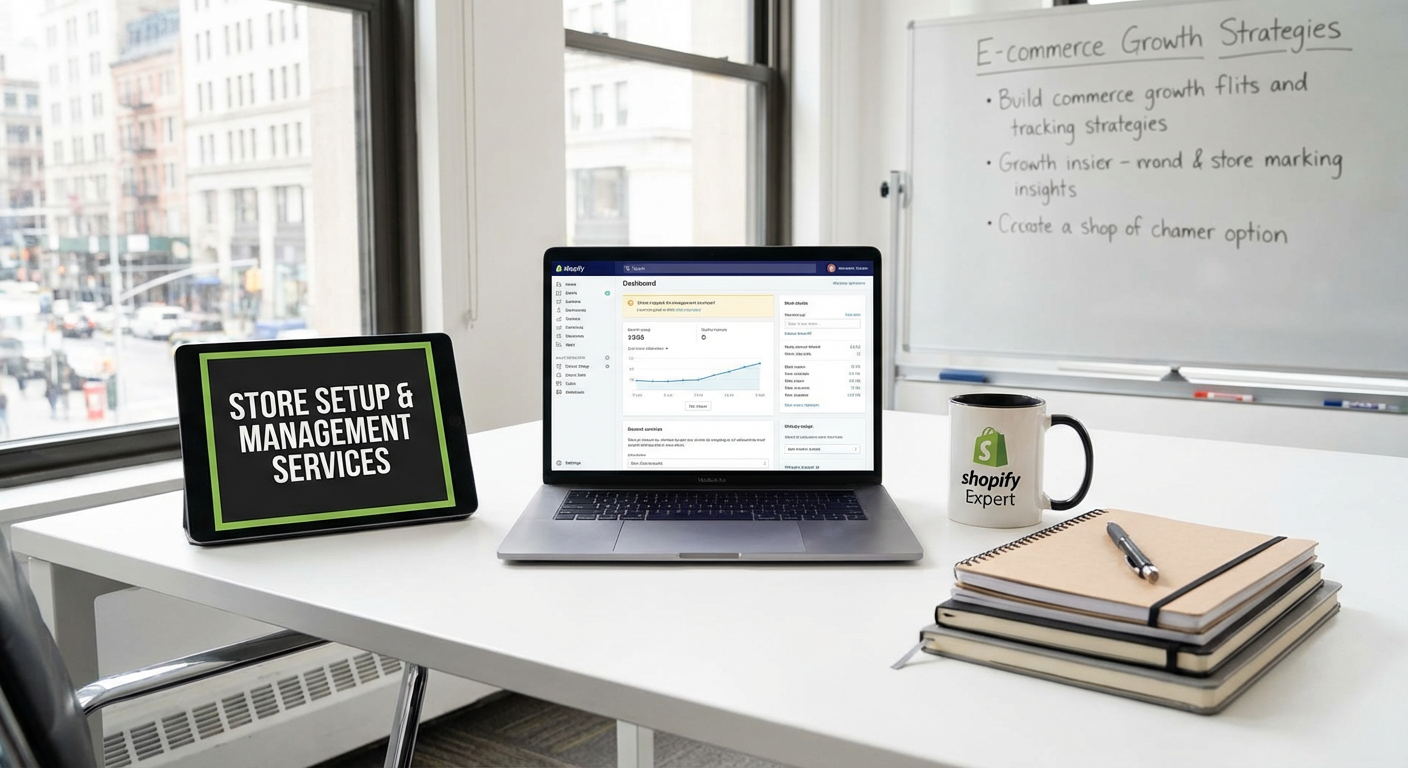
Building an online store from scratch sounds intimidating, but Shopify makes it surprisingly simple. The platform walks you through every step with guided setup wizards and pre-built templates that look professional right out of the box. You don’t need to know how to code or understand web hosting. Everything happens in one dashboard where you can add products, process orders, and track inventory. The mobile app lets you manage your store from your phone, which is perfect when you’re juggling multiple responsibilities. Shopify also includes built-in payment processing, so you don’t have to research and integrate third-party payment gateways on your own.
- Canva for Product Images and Social Media Graphics
Professional design work used to require expensive software and years of training. Canva changed that by offering drag-and-drop design tools that anyone can learn in an afternoon. You can create product photos with branded backgrounds, design Instagram posts that match your store’s style, and build email headers without hiring a graphic designer for every small task. The platform includes thousands of templates specifically made for e-commerce brands, so you’re never starting from a blank canvas. The free version gives you plenty of options, and the paid version unlocks additional features as your needs grow.
- Mailchimp for Email Marketing That Makes Sense
Email marketing platforms often come with complicated automation builders and confusing analytics dashboards. Mailchimp stands out for beginners because it explains things in plain language and offers simple templates for common email types like welcome series, abandoned cart reminders, and product announcements. You can start with basic campaigns and gradually add more sophisticated features as you learn what works for your audience. The free tier supports up to a certain number of contacts, which gives you room to experiment before committing to a paid plan. Mailchimp also integrates directly with most e-commerce platforms, so your customer data syncs automatically without manual importing.
- Google Workspace for Professional Communication
Using a Gmail address with your personal name doesn’t inspire confidence when customers contact your store. Google Workspace gives you professional email addresses using your domain name, plus cloud storage, shared calendars, and document collaboration tools. The interface is identical to the free Gmail you already know, so there’s no learning curve. You can set up email forwarding, create addresses for different departments, and access everything from any device. For a small monthly fee per user, you get a complete business communication system that grows with you.
- ShipStation for Simplified Shipping
Figuring out shipping rates, printing labels, and tracking packages becomes a full-time job as your order volume increases. ShipStation connects to your store and consolidates all your shipping tasks in one place. You can compare rates from different carriers, print labels in batches, and automatically send tracking information to customers. The setup process is straightforward, with clear instructions for linking your e-commerce platform and preferred shipping carriers. Many beginners appreciate the ability to create shipping presets for common package sizes and destinations, which eliminates repetitive data entry.
- Zendesk for Customer Support Without the Chaos
When customer questions start arriving through email, social media, and your website contact form, keeping track becomes impossible. Zendesk gathers all these messages into one organized inbox where you can respond, assign tickets to team members, and track which issues are resolved. The system includes pre-written response templates for common questions, which saves time and ensures consistent communication. You can start with the basic plan and add features like live chat or phone support as your business grows. The mobile app means you can answer urgent questions even when you’re away from your desk.
- QuickBooks Online for Stress-Free Bookkeeping
Accounting intimidates most new business owners, but QuickBooks Online simplifies the process with guided setup and automatic categorization of expenses. You can connect your bank accounts and credit cards so transactions import automatically, reducing manual data entry and the mistakes that come with it. The software generates profit and loss statements, tracks what you owe in taxes, and creates invoices for wholesale customers. When tax season arrives, you can share access with your accountant instead of scrambling to gather receipts and spreadsheets. The dashboard uses plain language and visual charts instead of confusing accounting terminology.
- Hootsuite for Managing Social Media Posts
Posting consistently on Instagram, Facebook, and other platforms while running a business feels impossible. Hootsuite lets you write and schedule posts in advance from one calendar view, so you can batch-create content during a focused session instead of scrambling daily. You can see how all your posts will look before they go live, rearrange them with drag-and-drop, and respond to comments without switching between apps. The interface is clean and intuitive, avoiding the overwhelming feature lists that plague some social media tools. Basic plans support a few social accounts, which is perfect when you’re starting out.
- Trustpilot for Building Customer Reviews
New e-commerce stores struggle with credibility because shoppers don’t trust brands without reviews. Trustpilot provides a simple system for collecting and displaying customer feedback that potential buyers actually trust. After someone makes a purchase, the platform automatically sends a review request email, so you don’t have to remember to ask. The reviews appear on your website through an easy-to-install widget and on Trustpilot’s own site, where millions of shoppers research brands. The service includes tools to respond to reviews publicly, which shows potential customers that you care about feedback.
- Google Analytics for Understanding Your Visitors
Knowing how people find and use your website is critical, but most analytics platforms overwhelm beginners with technical reports. Google Analytics offers a free solution with enough depth to answer important questions without requiring a data science background. You can see which products get the most views, where your traffic comes from, and which marketing efforts actually drive sales. The platform includes pre-built reports for e-commerce stores, so you don’t have to build custom dashboards from scratch. YouTube has thousands of beginner-friendly tutorials that explain how to use specific features, making self-education straightforward.
- LastPass for Secure Password Management
Running an online business means juggling passwords for your store, email, social media, suppliers, and dozens of other services. Writing them down or reusing the same password everywhere creates security risks. LastPass stores all your passwords in one encrypted vault that you access with a single master password. The browser extension automatically fills in login forms, and you can securely share access with team members without revealing the actual passwords. The basic version is free and includes most features small businesses need. Setup takes about 15 minutes, and the time you save not resetting forgotten passwords pays off immediately.
- Printful for Print-on-Demand Products
Holding inventory means upfront costs, storage space, and the risk of products that don’t sell. Printful eliminates these concerns by printing and shipping products only after customers order them. You upload your designs, choose which products to offer, and Printful handles manufacturing and fulfillment. The integration with major e-commerce platforms is straightforward, and the mockup generator creates realistic product photos without you owning samples. This model lets beginners test product ideas without financial risk. The per-item costs are higher than bulk manufacturing, but you avoid the cash flow problems that sink many new stores.
- Grammarly for Professional Product Descriptions
Typos and grammar mistakes make your store look unprofessional, but hiring an editor for every product description isn’t realistic when you’re starting out. Grammarly checks your writing as you type, catching errors in your product pages, emails, and social media posts. The tool works inside your browser, so it checks text wherever you write online. Beyond basic spelling, it suggests improvements for clarity and tone, helping you communicate more effectively with customers. The free version handles most needs, while the premium version adds style suggestions and plagiarism detection. Installation takes one click, and it starts working immediately.
- Calendly for Easy Appointment Scheduling
If your business involves consultations, virtual shopping appointments, or supplier meetings, the back-and-forth of finding available times wastes hours each week. Calendly shows your availability and lets people book time slots that work for both of you. The system connects to your calendar, blocks off busy times automatically, and sends confirmation emails with video call links if needed. You can set different appointment types with specific durations and buffer times between meetings. The free plan supports basic scheduling, and the simple interface means clients can book appointments without confusion or technical help.
Building a successful e-commerce business doesn’t require mastering complex systems or hiring a large team right away. These 15 beginner-friendly services handle the essential tasks that keep online stores running smoothly, from processing orders to communicating with customers to managing your money. Start with the services that address your most pressing needs, then add others as your business grows and your confidence increases. Most of these platforms offer free trials or entry-level plans, so you can test them without major commitments. Focus on learning one or two tools at a time rather than trying to implement everything at once. With the right services supporting you, running an e-commerce brand becomes less about technical skills and more about connecting with customers and building something you’re proud of.