
How to Track Your AI Visibility Score on a Budget: Affordable Tools & Metrics That Matter
If you’re trying to understand how visible your brand is to AI tools like ChatGPT, Claude, or Perplexity, you’re not alone. As these platforms shape how people find information, tracking your AI visibility score has become critical for businesses, freelancers, and content creators. The good news? You don’t need a massive marketing budget to get started. This list focuses on budget-friendly approaches, free tools, and low-cost strategies that deliver real value without draining your wallet. Whether you’re bootstrapping a startup or running a lean operation, these practical options will help you measure what matters most.
- Legiit: Affordable AI Visibility Services from Vetted Freelancers

Legiit connects you with experienced freelancers who specialize in AI visibility, SEO optimization, and content strategy at prices that fit smaller budgets. Instead of hiring expensive agencies or committing to long-term contracts, you can find professionals who offer specific services like AI citation audits, content optimization for language models, or competitor analysis for a fraction of traditional costs.
The platform’s transparent pricing and review system make it easy to compare options and find someone who matches your needs and budget. Many sellers offer starter packages that let you test their services before scaling up. This flexibility makes Legiit particularly valuable for businesses that want professional help without the premium price tag that typically comes with emerging specialties like AI visibility tracking.
- Google Search Console: Your Free Foundation for Visibility Tracking
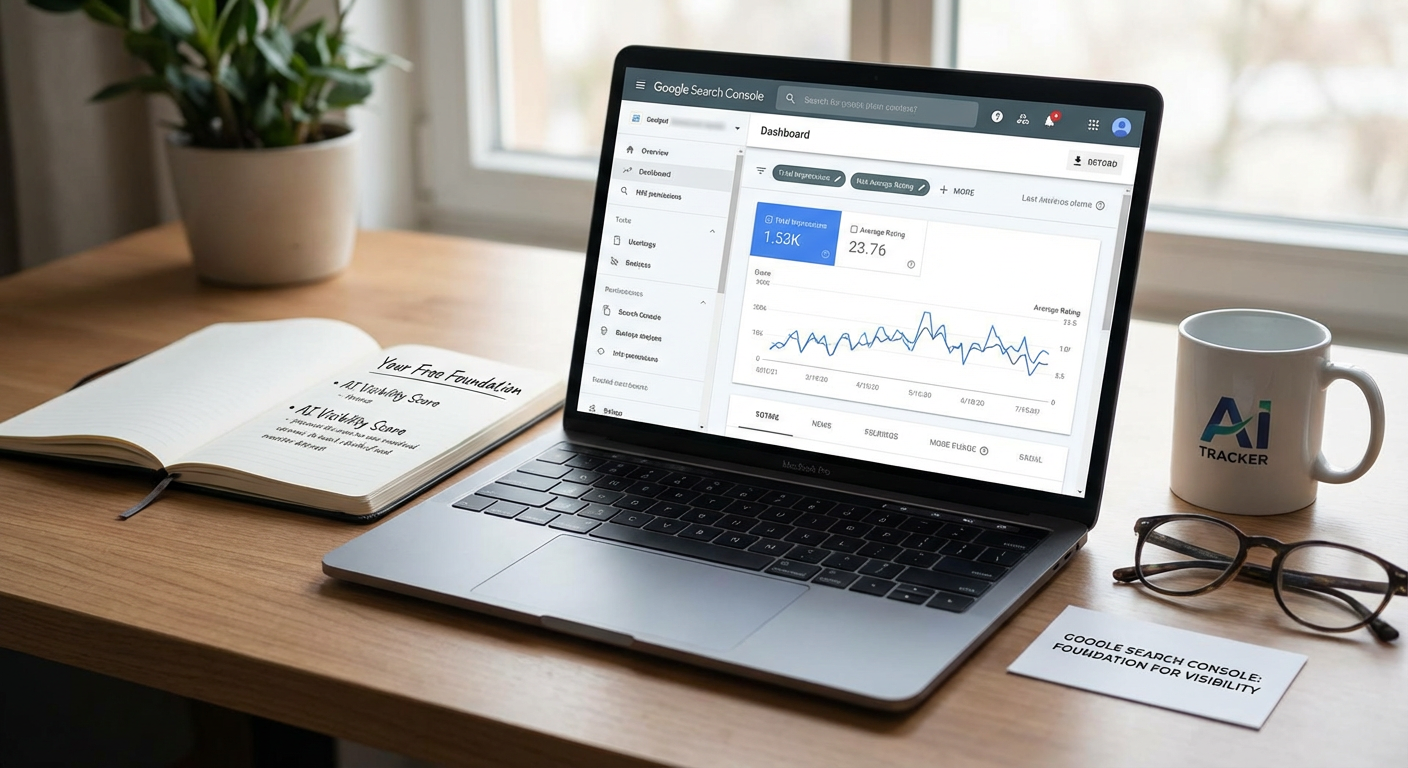
Google Search Console remains one of the most powerful free tools available for understanding how search engines see your content. While it’s primarily designed for traditional search, the data it provides forms the foundation for AI visibility. Track which queries bring users to your site, monitor your click-through rates, and identify pages that perform well.
AI models often train on publicly accessible web content, and pages that rank well in traditional search tend to have better structure, clearer information, and stronger authority signals. These same qualities make your content more likely to be referenced by AI tools. Set up Search Console for all your web properties and check it weekly to spot trends in how your content performs. The insights you gain here cost nothing but can inform every other visibility strategy you pursue.
- Manual Citation Checks: The Zero-Cost Baseline Method
Before investing in any paid tools, spend time manually querying AI platforms about your brand, products, or expertise areas. Open ChatGPT, Claude, Perplexity, and Bing Chat, then ask questions your potential customers might ask. Does your business appear in the responses? How accurately is your information presented? Are competitors mentioned instead?
Create a simple spreadsheet to track these queries and responses over time. Run the same questions monthly to spot changes in how often you’re cited and how accurately. This manual approach costs nothing except your time and provides direct insight into what matters most: whether AI tools actually mention you when users ask relevant questions. While it won’t scale indefinitely, it’s the perfect starting point for understanding your current AI visibility before you invest in tracking tools.
- Brand Mention Tracking with Free Google Alerts
Google Alerts might seem old-fashioned, but it remains a completely free way to monitor when your brand gets mentioned online. Set up alerts for your business name, key products, and important executives. Since AI models pull information from web sources, tracking where you’re mentioned helps you understand your broader digital footprint.
The more quality mentions you accumulate across reputable sites, the more likely AI tools will have access to information about you during their training processes. Google Alerts won’t tell you directly about AI citations, but it gives you a free proxy metric for overall visibility. Configure alerts to arrive daily or weekly, and pay special attention to mentions on high-authority sites, as these carry more weight both in traditional search and as training data for language models.
- Perplexity.ai’s Free Tier for Direct Citation Testing
Perplexity.ai offers a free tier that provides direct citations for its responses, making it particularly valuable for visibility tracking on a budget. Unlike some AI tools that don’t show their sources, Perplexity links to the specific pages it references. This transparency lets you see exactly which of your pages get cited and for what topics.
Use Perplexity’s free searches to test different queries related to your industry, products, or services. Note which competitors appear in citations and analyze what content types get referenced most often. This direct feedback helps you understand not just whether you’re visible, but specifically which content drives that visibility. The free tier has search limits, but if you use your queries strategically, you can gather substantial intelligence without paying anything.
- Traffic Source Analysis Using Free Analytics Platforms
Google Analytics and other free analytics platforms can reveal indirect signals about your AI visibility. Look for traffic from unexpected sources, direct traffic spikes that don’t correlate with your marketing campaigns, or referrals from AI-powered search tools. While these platforms don’t have dedicated AI visibility metrics yet, careful analysis can reveal patterns.
Pay particular attention to landing pages that receive traffic through paths you can’t easily attribute. Some users who find you through AI tool recommendations might arrive via direct links or through subsequent traditional searches. Create custom segments to isolate unusual traffic patterns and track them over time. This indirect measurement approach costs nothing if you’re already using free analytics, but it requires more interpretation than purpose-built AI tracking tools.
- Content Gap Analysis with Free SEO Tools
Free SEO tools like Ubersuggest’s limited free tier, AnswerThePublic, or Google’s own autocomplete feature help you identify content gaps that hurt both traditional and AI visibility. AI models favor comprehensive, well-structured content that directly answers questions. By identifying topics your competitors cover that you don’t, you can prioritize content creation that improves visibility across all platforms.
AnswerThePublic, in particular, shows the actual questions people ask about topics, which mirrors how users query AI tools. Create content that directly addresses these questions with clear, factual answers. This approach improves your chances of being cited by AI models looking for authoritative responses. While the free versions of these tools have limitations, they provide enough data to guide your content strategy without requiring paid subscriptions.
- Wikipedia and Wikidata Presence Tracking
Wikipedia and its structured data counterpart, Wikidata, serve as major information sources for AI training. If your company, product, or topic area has Wikipedia coverage, you have measurably better AI visibility. The best part? Contributing to Wikipedia is completely free, though it requires following their strict guidelines about notability and neutral point of view.
Check whether your business or industry has relevant Wikipedia articles. If you’re notable enough for inclusion, consider creating an account and learning Wikipedia’s editing guidelines. Even if you can’t create an article about your own company, you can ensure existing information is accurate and properly sourced. Wikidata entries are easier to create and maintain, and they feed directly into knowledge graphs that AI tools reference. This free strategy requires time investment rather than money, but it can significantly boost your visibility in AI responses.
- Social Listening Through Free Platform Tools
Most social media platforms offer free native analytics that show how your content performs and how often you’re mentioned. While social signals don’t directly equal AI visibility, they create the digital footprint that AI training processes can access. Twitter’s advanced search, LinkedIn’s post analytics, and Reddit’s search function all provide free ways to track conversations about your brand or industry.
Regularly search for your brand name and key terms across these platforms using their free tools. Notice which topics generate discussion and which content gets shared. AI models increasingly incorporate recent information, and active social presence contributes to your overall digital footprint. This costs nothing except the time to set up saved searches and check them regularly. Document patterns in a simple spreadsheet to track changes over time.
- Structured Data Implementation Using Free Validators
Adding structured data to your website helps both search engines and AI tools understand your content better. Google’s free Structured Data Testing Tool and Schema.org’s validator let you implement and verify markup without any cost. Proper schema markup for articles, products, organizations, and FAQs makes your information more accessible to AI systems that parse web content.
Start with basic Organization and Article schema, then expand to more specific types relevant to your business. The implementation requires some technical knowledge, but countless free tutorials exist, and the validators themselves are free to use. Well-structured data increases the likelihood that AI tools will accurately extract and cite your information. This one-time effort provides ongoing benefits for both traditional search visibility and AI citation potential, all without requiring paid tools or services.
Tracking your AI visibility score doesn’t require enterprise budgets or expensive consultant fees. The free and low-cost tools outlined here give you a solid foundation for understanding how AI platforms see your brand and where you need to improve. Start with manual checks and free tools like Google Search Console to establish your baseline, then gradually incorporate more sophisticated tracking as your budget allows. Remember that AI visibility builds over time through consistent, quality content and accurate information across multiple platforms. By focusing on these budget-friendly approaches, you can compete effectively even against larger competitors with bigger marketing budgets. The key is regular monitoring, thoughtful content creation, and patience as your visibility grows.