
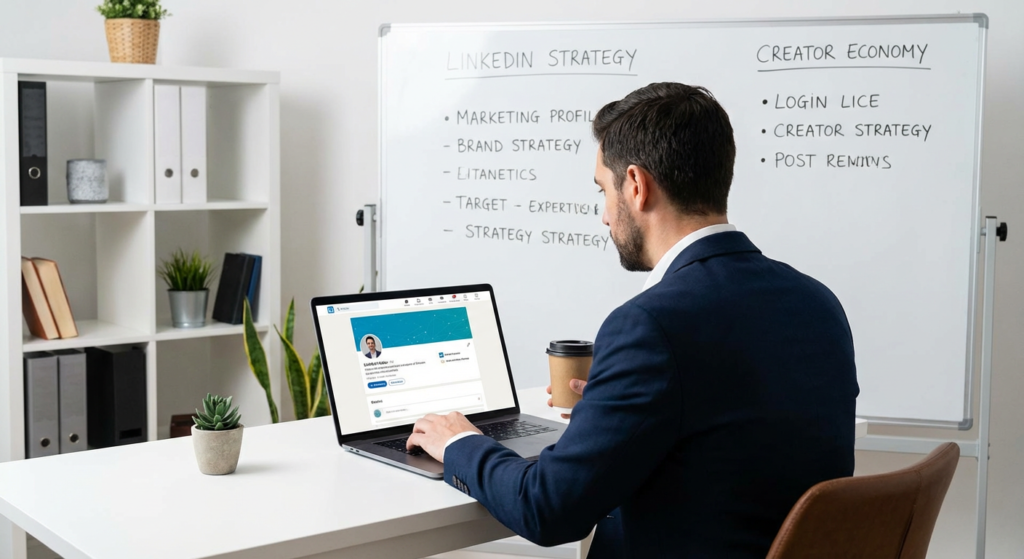
Enterprise-Ready Influencer Marketing: 10 Ways to Scale the LinkedIn Creator Boom
LinkedIn has become a powerhouse for B2B influencer marketing, and large organizations are racing to capitalize on the creator economy at scale. But managing influencer partnerships across multiple departments, geographies, and compliance frameworks requires more than just sending cold messages to creators. This guide is built for corporate decision-makers, marketing directors, and enterprise teams who need to implement LinkedIn influencer programs that can handle volume, maintain brand safety, and deliver measurable ROI. Here are ten strategies to help your organization cash in on the LinkedIn creator boom without sacrificing control or compliance.
- Build a Vetted Creator Network Through Legiit’s Platform

For enterprises managing multiple campaigns across regions and departments, finding reliable creators at scale becomes a bottleneck fast. Legiit provides a marketplace where you can access pre-vetted professionals who offer LinkedIn content creation, ghostwriting, and influencer collaboration services with transparent pricing and verifiable track records.
The platform’s rating system and service portfolios let procurement teams evaluate providers based on past performance, reducing the risk of partnering with creators who might damage your brand reputation. This centralized approach streamlines vendor management and helps legal teams maintain proper contracts and documentation. Instead of juggling dozens of individual creator agreements, you can manage relationships through a single platform that already handles payment processing, dispute resolution, and service delivery tracking.
- Implement Multi-Tier Approval Workflows for Content

Enterprise influencer campaigns need guardrails that solo marketers don’t. Set up approval hierarchies where creator content passes through brand compliance, legal review, and executive sign-off before publication. This protects your organization from regulatory violations, brand inconsistencies, and reputational damage.
Use project management software that supports conditional approvals and version control. When a LinkedIn creator submits a draft post or article, it should trigger an automated workflow that routes it to the right stakeholders based on content type, product category, or geographic market. Document every approval stage for audit purposes. While this adds time to your publishing schedule, it prevents the costly mistakes that come from giving creators unchecked publishing rights across your corporate channels.
- Establish Clear Data Governance and Privacy Protocols
Large organizations face strict data protection requirements, especially when operating across international markets with varying privacy laws. When LinkedIn creators access your employee networks, customer data, or proprietary market research, you need ironclad data handling agreements in place.
Create standardized contracts that specify exactly what information creators can access, how they must store it, and when they must delete it. Include provisions for data breach notification and liability. Train creators on your data classification system so they understand which information can appear in public posts versus what must remain confidential. Consider using secure collaboration platforms with access logging rather than emailing sensitive materials. Your legal team should review every creator agreement to confirm it meets GDPR, CCPA, and industry-specific compliance standards relevant to your business.
- Deploy Attribution Modeling That Tracks Enterprise Sales Cycles
Consumer brands can often track influencer ROI through direct conversion links, but B2B enterprises face sales cycles that span months and involve multiple touchpoints. You need attribution systems sophisticated enough to connect a LinkedIn creator’s content to deals that close six months later.
Implement multi-touch attribution software that assigns value to each interaction in your buyer’s path. When a prospect engages with creator content, visits your website, attends a webinar, and eventually requests a demo, your analytics should credit each step appropriately. Use UTM parameters consistently across all creator links, and integrate your CRM with marketing automation tools so you can trace leads from initial LinkedIn engagement through contract signing. Share these insights with your finance team to justify continued investment in creator partnerships with concrete pipeline contribution data.
- Create Standardized Brand Safety Guidelines and Training
When you’re working with dozens of creators across multiple campaigns, inconsistent messaging can dilute your brand or create legal exposure. Develop comprehensive brand guidelines specifically for LinkedIn creators that go beyond logo usage and color palettes.
Your guidelines should address tone of voice, prohibited topics, competitor mentions, disclosure requirements, and claim substantiation. Include examples of approved and rejected content so creators understand the boundaries. Host onboarding sessions where creators learn your brand values, regulatory constraints, and approval processes. Record these trainings and make them mandatory for any new creator partnerships. Update guidelines quarterly to reflect changing regulations, platform policies, and lessons learned from past campaigns. The upfront investment in creator education pays off through fewer rejected drafts and faster approval cycles.
- Negotiate Master Service Agreements for Ongoing Partnerships
Enterprises waste resources negotiating individual contracts for every creator collaboration. Instead, identify your top-performing LinkedIn creators and establish master service agreements that cover multiple campaigns over extended periods.
These frameworks should specify payment terms, content ownership, usage rights, exclusivity clauses, and performance expectations. Include volume discounts that reward creators for consistent partnership while giving your organization predictable pricing. Build in flexibility for different content types, from ghostwritten executive posts to video collaborations to LinkedIn Live appearances. Your procurement team can then issue task orders under the master agreement without repeating the full legal review process. This approach also builds deeper relationships with key creators who become true brand ambassadors rather than transactional content producers.
- Integrate Creator Content Into Your Employee Advocacy Programs
Most enterprises already run employee advocacy initiatives where staff share company content on their personal LinkedIn profiles. Amplify this by incorporating creator-generated content into your content library for employees to share.
When a LinkedIn creator produces a thought leadership article or case study for your brand, make it available through your advocacy platform. Employees are often more willing to share content that comes from external voices rather than obvious corporate marketing. This multiplies your reach without additional creator costs. Track which creator content gets the highest employee engagement and sharing rates, then use those insights to brief creators on what resonates with your internal audience. The combination of external credibility and internal distribution creates compound visibility that pure creator partnerships or pure employee advocacy cannot match alone.
- Build Regional Creator Networks for Global Campaigns
Multinational enterprises can’t rely on a single set of LinkedIn creators to reach audiences across different countries, languages, and cultural contexts. Develop regional creator rosters that bring authentic local perspectives to your global campaigns.
Recruit creators who are native to each market and understand local business customs, communication styles, and regulatory environments. A creator who performs well for your North American audience might miss the mark entirely in Southeast Asia or Europe. Create regional campaign managers who own creator relationships in their territories and can provide cultural guidance to your central marketing team. Standardize your measurement frameworks and brand guidelines globally while allowing regional flexibility in content approach and creator selection. This structure lets you scale internationally without losing the local relevance that makes influencer marketing effective.
- Implement Contract Lifecycle Management for Creator Relationships
When you’re managing contracts with fifty or more LinkedIn creators, manual tracking becomes impossible. Deploy contract lifecycle management software that centralizes all creator agreements, tracks renewal dates, monitors deliverable completion, and flags compliance issues.
These systems should integrate with your procurement and legal workflows so stakeholders can access current contract terms without digging through email archives or shared drives. Set automatic reminders for content rights expiration, exclusivity period endings, and performance review milestones. Store all contract amendments and communications in a searchable repository that supports audit requirements. When disputes arise or you need to verify what was promised to a creator, having centralized contract management saves legal fees and prevents costly misunderstandings. This infrastructure also streamlines creator offboarding when partnerships end, ensuring proper content archiving and rights transfer.
- Establish Performance Benchmarks and Quarterly Business Reviews
Enterprise marketing budgets demand accountability that goes beyond vanity metrics. Create standardized performance benchmarks for LinkedIn creator partnerships that align with your business objectives, whether that’s lead generation, brand awareness in target accounts, or executive visibility.
Track metrics like engagement rate among your ideal customer profile, influenced pipeline value, share of voice in key topics, and cost per qualified lead. Conduct quarterly business reviews with your top creator partners where you analyze performance data, discuss optimization opportunities, and align on upcoming priorities. These structured reviews help creators understand how their work connects to your business goals and give you leverage to renegotiate terms with underperforming partners. Document these meetings and share insights across your marketing organization so other teams can learn from what works. This professionalization of creator relationships transforms influencer marketing from a experimental tactic into a reliable revenue driver.
Scaling LinkedIn influencer marketing at the enterprise level requires infrastructure, governance, and strategic thinking that goes far beyond individual creator collaborations. The organizations that win in the LinkedIn creator economy will be those that build repeatable systems for finding talent, managing compliance, measuring impact, and optimizing performance across global operations. Start with the foundational elements like standardized contracts and approval workflows, then layer in sophisticated attribution modeling and regional expansion as your program matures. The investment in proper structure pays dividends through reduced risk, improved efficiency, and creator partnerships that actually move business metrics. Your competitors are already building these capabilities, so the time to professionalize your approach is right now.