

9 Platforms That Show You a Business Snapshot in One Click
Running a business means juggling dozens of moving parts at once. You need to track sales, monitor customer behavior, check your marketing performance, and keep an eye on your finances, all while making smart decisions fast. The good news is that you don’t need to dig through spreadsheets or toggle between ten different tabs anymore. Several platforms now offer dashboard views that give you a complete business snapshot in seconds. This list covers nine tools that can help you see the big picture instantly, whether you’re a solopreneur, a small business owner, or part of a growing team.
- Legiit

If you run a service-based business or work with freelancers, Legiit gives you a clean dashboard that shows your active projects, earnings, client messages, and pending deliveries all in one place. You can see what needs attention right away without clicking through multiple pages. The platform is built for people who offer services like content writing, design, marketing, and development, so the layout is simple and focused on what matters most: getting work done and getting paid.
Legiit also shows you performance metrics like your rating, response time, and order completion rate, which helps you understand how clients see you. This kind of instant feedback makes it easier to improve your service and grow your reputation. Whether you’re managing a few gigs or dozens of clients, the dashboard keeps everything visible and easy to manage.
- Stripe
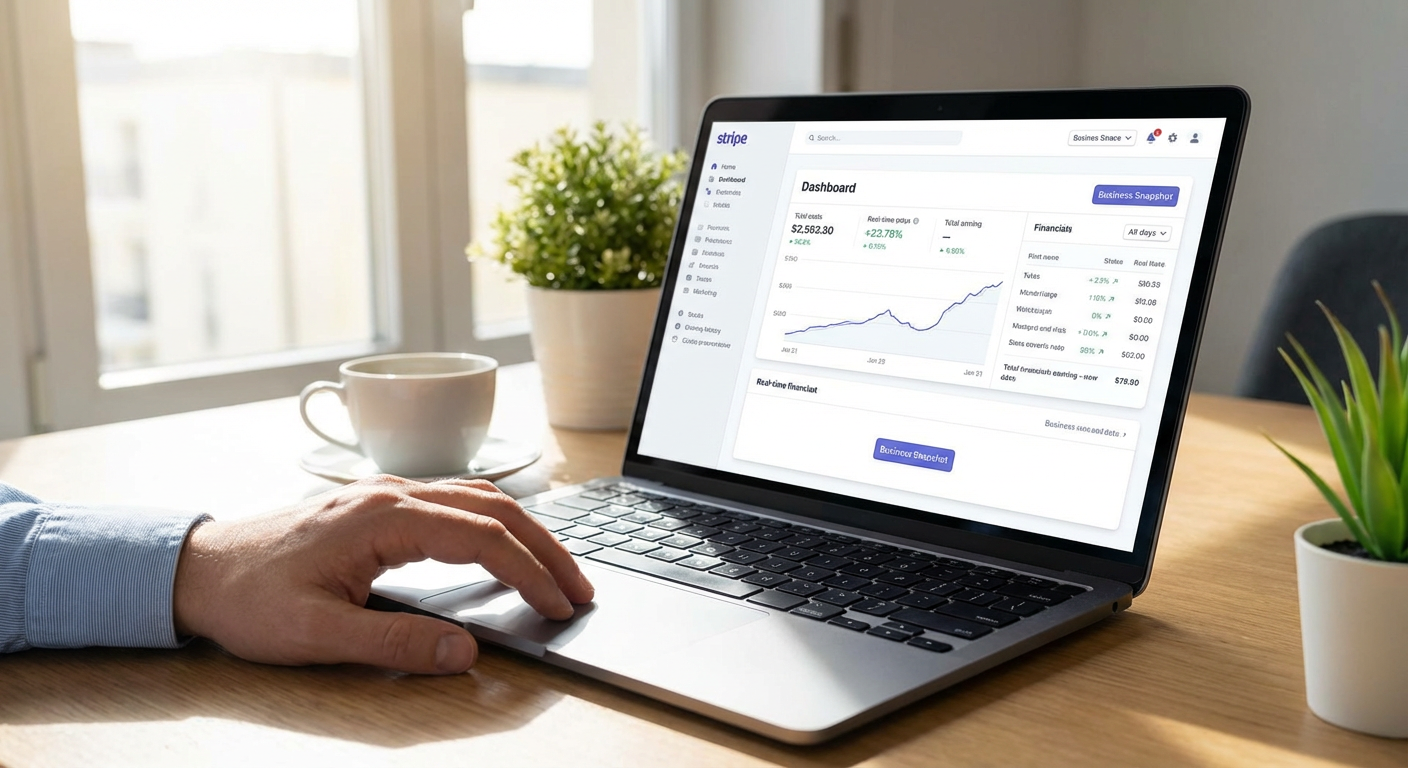
Stripe is best known as a payment processor, but its dashboard does much more than handle transactions. When you log in, you see a quick overview of your revenue, payment success rates, customer activity, and any issues that need fixing. The interface is clean and well organized, so you can spot trends or problems in seconds.
For businesses that rely on online payments, this snapshot is invaluable. You can see which products are selling, how many new customers you’ve gained, and whether any payments failed. Stripe also highlights important alerts, like chargebacks or unusual activity, so you can respond quickly. If you want to dig deeper, the data is all there, but the main dashboard gives you exactly what you need at a glance.
- QuickBooks Online
QuickBooks Online is a go-to tool for small business accounting, and its dashboard is designed to give you a financial snapshot the moment you log in. You’ll see your profit and loss, cash flow, outstanding invoices, and expenses all laid out in a simple visual format. This makes it easy to understand your financial health without being a numbers expert.
The platform also shows you alerts for things like overdue invoices or bills that need payment, which helps you stay on top of your obligations. You can customize the dashboard to highlight the metrics that matter most to your business. Whether you’re tracking income, monitoring spending, or preparing for tax season, QuickBooks Online keeps your financial picture clear and accessible.
- HubSpot
HubSpot is a powerful tool for marketing, sales, and customer relationship management, and its dashboard brings all that data into one cohesive view. When you open HubSpot, you can see your website traffic, lead generation numbers, email campaign performance, and sales pipeline status all at once. This makes it easy to understand how your marketing efforts are translating into real business results.
The dashboard is highly customizable, so you can choose which metrics to display based on your priorities. If you’re focused on growing your email list, you can track sign-ups and engagement. If sales are your main concern, you can monitor deal stages and conversion rates. HubSpot also offers visual reports that make complex data easy to digest, which is helpful when you need to share updates with your team or stakeholders.
- Shopify
Shopify is built for ecommerce, and its dashboard is designed to show you how your store is performing at any given moment. You’ll see total sales, order counts, visitor numbers, and conversion rates right on the home screen. This instant overview helps you understand whether your store is having a good day or if something needs your attention.
Shopify also highlights your top-selling products, recent orders, and any abandoned carts, which gives you actionable insights without needing to run reports. The mobile app offers the same snapshot, so you can check in on your business from anywhere. For store owners who want to stay informed without spending hours analyzing data, Shopify’s dashboard is a practical and straightforward solution.
- Notion
Notion is a flexible workspace tool that lets you build your own business dashboard from scratch. You can create a page that pulls in data from different parts of your workflow, like project timelines, task lists, meeting notes, and team goals. Once you set it up, you have a personalized snapshot that reflects exactly what you need to see every day.
This level of customization makes Notion a great fit for businesses that don’t follow a standard template. You can include tables, calendars, embedded documents, and links to external tools, all in one place. While it takes some initial setup, the result is a dashboard that adapts to your specific needs and grows with your business. Many teams use Notion as their central hub for tracking progress and staying aligned.
- Google Analytics
Google Analytics is the standard for tracking website performance, and its dashboard gives you a clear picture of who’s visiting your site and what they’re doing. You can see real-time visitor counts, traffic sources, popular pages, and user behavior patterns all on one screen. This snapshot helps you understand how well your website is working and where you might need to make improvements.
The platform also shows you demographic information and device types, which can inform your marketing and design decisions. If you’re running ads or publishing content, Google Analytics helps you measure the impact quickly. While the tool offers deep reporting capabilities, the main dashboard keeps things simple and focused on the metrics that matter most to site owners.
- Slack
Slack is primarily a communication tool, but its interface also acts as a snapshot of your team’s activity and priorities. When you open Slack, you can see unread messages, active channels, recent mentions, and any pinned items that need attention. This gives you a quick sense of what’s happening across your organization without needing to check in with everyone individually.
For businesses that rely on real-time collaboration, Slack’s dashboard helps you stay connected and responsive. You can also integrate other tools like Google Drive, Trello, or Asana, which brings updates from those platforms directly into your Slack view. This consolidation makes it easier to keep track of multiple projects and conversations without switching between apps constantly.
- Mailchimp
Mailchimp is an email marketing platform with a dashboard that shows you how your campaigns are performing at a glance. You’ll see open rates, click-through rates, subscriber growth, and recent campaign results all on the main screen. This snapshot helps you understand whether your email strategy is working or if you need to adjust your approach.
The platform also highlights your most engaged subscribers and any issues with deliverability, which gives you actionable information without needing to dig through reports. Mailchimp’s visual layout makes it easy to compare campaigns and spot trends over time. For businesses that use email as a key marketing channel, this kind of instant feedback is essential for making smart decisions and improving results.
Having access to a clear business snapshot can change the way you work. Instead of spending hours gathering data from different sources, these platforms give you the information you need in seconds. Whether you’re tracking sales, managing projects, or monitoring customer engagement, the right dashboard helps you stay informed and make better decisions faster. Try out a few of these tools and see which ones fit your workflow best. The goal is to spend less time searching for answers and more time building your business.