
19 Beginner-Friendly Alternatives to Hiring a Full-Time Marketer
If you’re running a small business or just starting out, hiring a full-time marketer can feel like a huge financial commitment. The good news is that you don’t need a big budget or advanced marketing skills to get your business noticed. This guide focuses on simple, accessible options that anyone can start using right away. Each alternative on this list is chosen specifically because it’s easy to learn, affordable, and won’t overwhelm you with complicated features. Whether you’ve never run an ad before or you’re just looking for straightforward solutions, these options will help you grow your business without breaking the bank.
- Legiit

Legiit is a freelance marketplace built specifically for digital marketing services, making it incredibly simple for beginners to find help. Instead of sorting through thousands of unrelated freelancers, you can browse pre-packaged services with clear pricing and descriptions. The platform is designed so you can see exactly what you’re getting before you buy, which removes a lot of the guesswork. Many service providers on Legiit offer starter packages at low prices, perfect for testing what works for your business. You can find help with everything from social media management to email campaigns, all in one place that’s easy to understand and use.
- Canva for Social Media Graphics
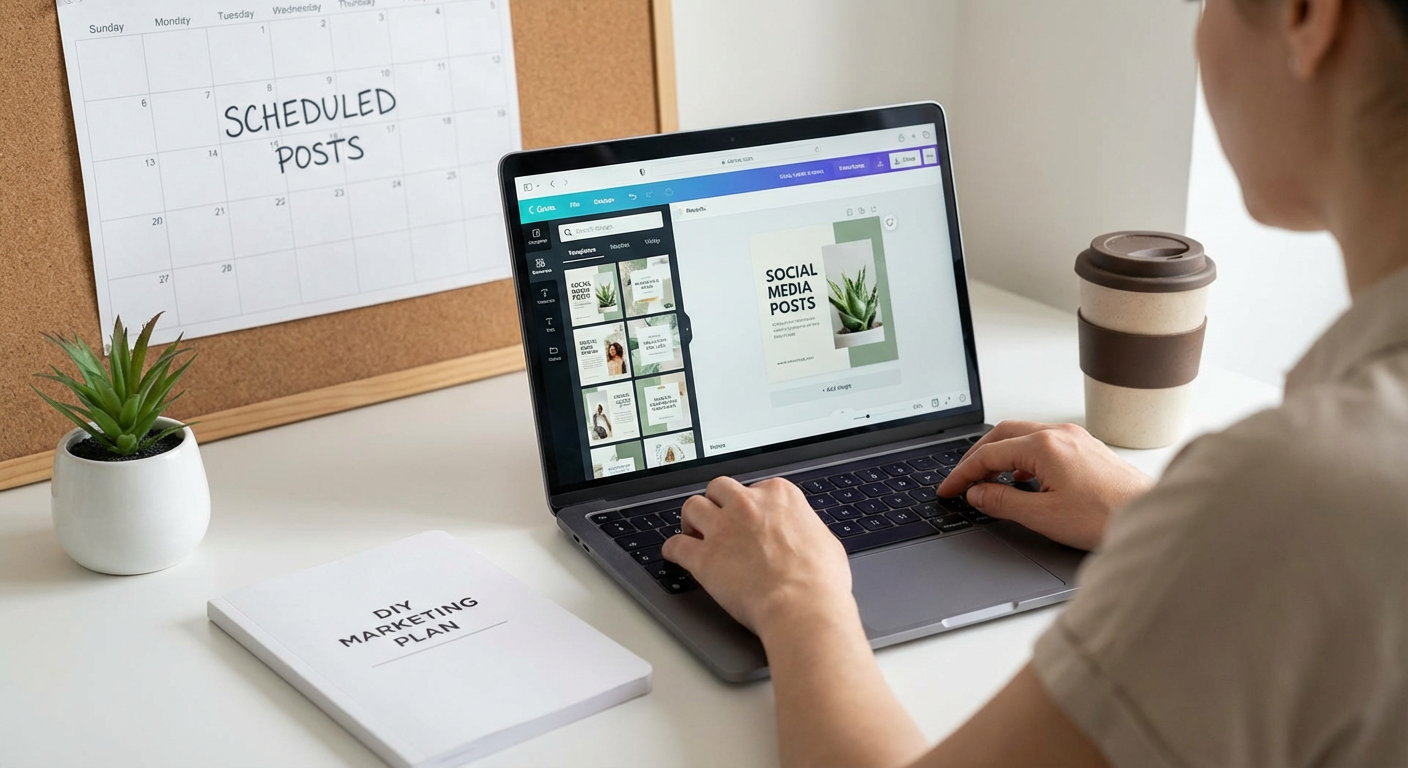
Canva is a drag-and-drop design tool that requires zero design experience. You can create professional-looking social media posts, logos, and ads using thousands of free templates. The interface is so simple that most people figure it out within minutes of signing up. The free version gives you more than enough features to handle all your basic marketing graphics. Instead of paying a designer hundreds of dollars, you can make your own branded content in less time than it takes to write an email.
- Mailchimp for Email Marketing
Mailchimp offers a free plan that lets you send emails to up to 500 subscribers, which is plenty when you’re starting out. The platform walks you through each step with helpful prompts and pre-made templates that look professional. You don’t need to know anything about coding or design to send beautiful newsletters. Setting up your first campaign takes about 15 minutes, and the dashboard shows you exactly how many people opened your emails and clicked your links. It’s one of the most beginner-friendly ways to stay in touch with customers and build relationships over time.
- Buffer for Scheduling Social Posts
Buffer simplifies social media management by letting you schedule posts across multiple platforms from one dashboard. The free plan allows you to manage three social accounts and schedule up to ten posts at a time, which works well for small businesses. You don’t have to log into five different apps or remember to post every day. The interface is clean and straightforward, with no confusing menus or hidden features. Buffer also suggests the best times to post based on when your audience is most active, taking the guesswork out of timing.
- Google My Business
This completely free tool from Google helps local customers find your business online. Setting up your profile takes about ten minutes and requires just basic information like your address, hours, and phone number. Once it’s live, your business shows up in Google Maps and local search results, which is huge for attracting nearby customers. You can post updates, respond to reviews, and share photos without any technical knowledge. For brick-and-mortar businesses or service providers working in specific areas, this is one of the easiest wins you can get.
- ChatGPT for Content Ideas and Copywriting
ChatGPT can help you write blog posts, social media captions, email newsletters, and ad copy in seconds. You don’t need to be a great writer or spend hours staring at a blank page. Just describe what you need in plain language, and the tool generates a draft you can edit and customize. The free version is more than capable of handling most small business marketing tasks. It’s like having a writing assistant available anytime, without paying an hourly rate or worrying about turnaround times.
- Facebook and Instagram Ads with Small Budgets
You can start running ads on Facebook and Instagram for as little as five dollars a day. The platforms offer guided setup processes that walk you through targeting, budget, and creative options step by step. You don’t need to understand complex advertising jargon to get started. The built-in tools show you estimates of how many people you’ll reach and let you test different images or messages easily. Start small, see what works, and scale up only when you’re ready.
- YouTube for Video Marketing
Creating a YouTube channel is free, and you don’t need expensive equipment to get started. Most smartphones shoot video that’s good enough for tutorials, product demos, or behind-the-scenes content. YouTube’s built-in analytics show you what people are watching and how long they stay engaged. Videos help build trust faster than almost any other type of content, and they can be repurposed across your website and social media. The platform also helps new viewers find your content through search and recommendations.
- Fiverr for One-Off Marketing Tasks
Fiverr connects you with freelancers who offer specific services starting at very low prices. If you need a logo, a short video, or someone to set up your email list, you can find affordable help quickly. The platform is organized so you can filter by budget, delivery time, and seller ratings. Each listing clearly describes what’s included, so you know exactly what you’re paying for. It’s a great way to get professional help for small projects without committing to long-term contracts.
- Linktree for Simple Landing Pages
Linktree creates a single link that houses multiple links, perfect for your Instagram or TikTok bio. The free version is incredibly simple to set up and requires no web design skills whatsoever. You can add links to your shop, blog, contact form, or anywhere else you want to send people. The tool tracks how many clicks each link gets, so you can see what your audience cares about most. It’s a fast, free way to make the most of your social media traffic.
- Loom for Quick Video Messages
Loom lets you record your screen and your face at the same time, making it perfect for personalized outreach or tutorials. The free plan gives you plenty of recording time for small business needs. You can send video messages to potential clients, create how-to guides for your product, or record quick updates for your team. Videos feel more personal than emails and often get better response rates. The tool is so simple that you’ll be recording your first video within two minutes of signing up.
- Answer the Public for Content Research
This free tool shows you what questions people are asking about any topic you type in. It’s an incredibly simple way to generate blog post ideas, social media content, and FAQs. You don’t need to guess what your customers want to know because the tool lays it all out visually. Each search gives you dozens of content ideas in seconds. Use these insights to create helpful content that actually answers the questions your audience is typing into search engines.
- Google Analytics
Google Analytics is free and shows you exactly how people are finding and using your website. The setup process has become much simpler over the years, with guided instructions that walk you through each step. You can see which pages get the most traffic, where visitors come from, and what they do on your site. This information helps you make smarter decisions about where to focus your marketing efforts. While the tool has advanced features, beginners can stick to the basic reports and still gain valuable insights.
- Local Networking Groups
Many cities have free or low-cost networking groups where small business owners meet regularly. These groups provide word-of-mouth marketing opportunities without spending a dollar on ads. You build real relationships with people who can refer customers to you. Showing up consistently is often more effective than expensive marketing campaigns, especially when you’re starting out. Look for groups through your local chamber of commerce, Meetup, or community centers.
- Quora for Authority Building
Quora is a free question-and-answer platform where you can demonstrate your expertise to potential customers. Find questions related to your industry and write helpful, detailed answers. Each answer includes a link back to your profile, where you can list your business information. This strategy takes time rather than money, making it perfect for beginners with tight budgets. Consistently helpful answers can position you as an expert and drive qualified traffic to your website.
- Trello for Marketing Planning
Trello is a free project management tool that helps you organize your marketing tasks visually. You can create boards for content calendars, campaign planning, or task lists without any learning curve. The drag-and-drop interface feels natural, even if you’ve never used project management software before. Staying organized helps you execute your marketing consistently, which matters more than fancy tools. You can also invite team members or contractors to collaborate on specific boards.
- LinkedIn for B2B Connections
If you sell to other businesses, LinkedIn offers powerful networking opportunities completely free. You can connect directly with decision-makers, share valuable content, and join industry groups. The platform’s search features help you find exactly the type of people you want to reach. Sending personalized connection requests and messages costs nothing but time. Many small B2B companies get their first clients through consistent, genuine outreach on LinkedIn.
- Ubersuggest for Keyword Research
Ubersuggest offers a limited free version that helps you find what people are searching for online. Type in a keyword related to your business, and the tool shows you how many people search for it and how hard it would be to rank. This information helps you create content that actually gets found. The interface is much simpler than professional SEO tools that cost hundreds per month. Even basic keyword research can dramatically improve your content strategy.
- User-Generated Content Campaigns
Encouraging your customers to share photos or reviews of your product costs nothing and creates authentic marketing material. You can repost this content on your own social channels with permission. User-generated content performs well because it feels real and trustworthy. Start by simply asking happy customers to tag you in their posts or leave reviews. Create a simple hashtag for your brand and promote it on your packaging or receipts. This approach turns your customers into your marketing team.
Marketing your business doesn’t require a huge budget or advanced technical skills. The tools and strategies on this list are specifically chosen because they’re accessible to beginners and deliver real results. Start with one or two options that feel most relevant to your business, get comfortable with them, and then add more as you grow. The key is consistency and willingness to learn as you go. You’ll be surprised how much you can accomplish with free and low-cost tools when you use them regularly and thoughtfully.